
I know, it feels wrong even asking.
Hot sauce seems immortal—like that one friend who never ages.
But even this fiery elixir has its limits.
Let’s figure out how to keep it spicy, safe, and absolutely not a petri dish.
Does Hot Sauce Go Bad?
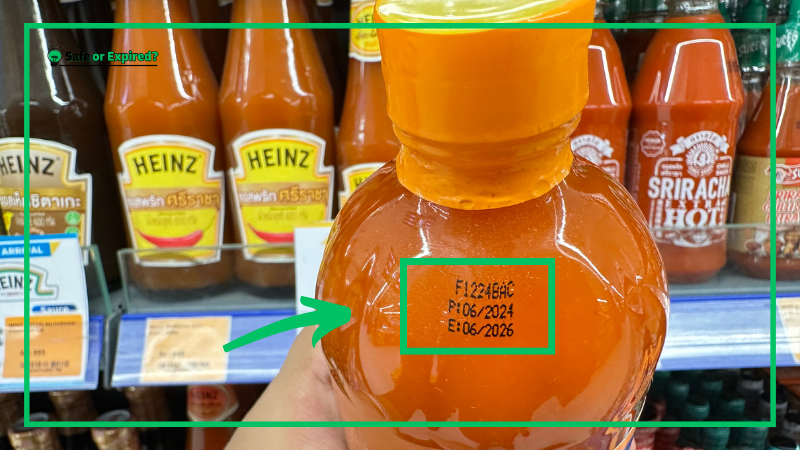
Yes, hot sauce can spoil over time, especially once opened. Look for mold, color changes, or off smells. Proper storage, like refrigeration for fruit-based sauces, helps extend shelf life and preserve flavor longer. Always check the best before date. It’s not the Ten Commandments, but it’s a solid guideline.
What Is Hot Sauce and Why Does It Last So Long?
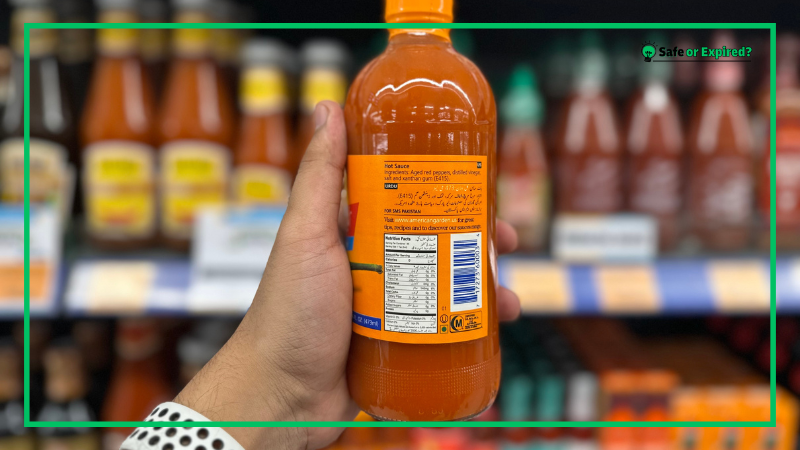
So what is hot sauce anyway? At its core, it’s a magical potion of peppers, salt, and usually vinegar, which acts like a bodyguard against spoilage. Vinegar lowers the pH to around 3.0–3.5 and creates an acidic environment—this is acidic hot sauce preservation at work.
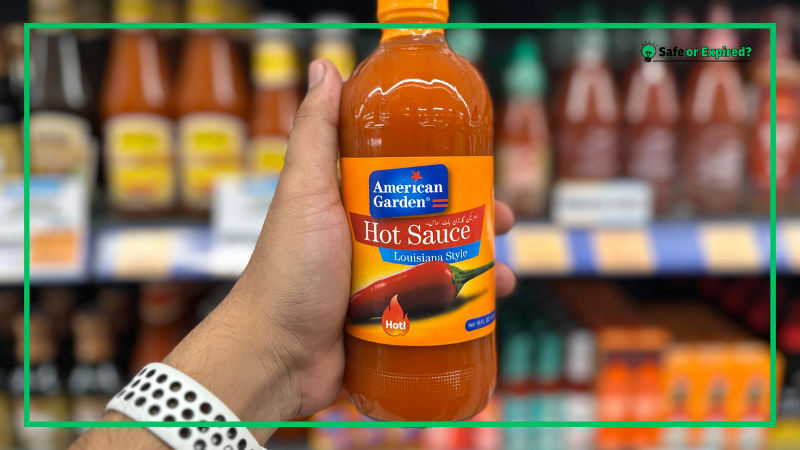
Vinegar-based hot sauces can sit on a shelf for ages because most bacteria don’t throw parties in acidic, salty places. That’s why classic Louisiana-style sauces seem immortal.
But not all hot sauces are the same. Vinegar based hot sauce storage is easier because the acidity keeps things safe longer.
Fruit-based varieties, though? They’re a little more high-maintenance.
Does Hot Sauce Go Bad? Understanding Spoilage Risks
Here’s the spicy truth: does hot sauce go bad? Yes—but it’s sneaky about it.
Hot sauce spoilage happens slowly, often with subtle signs at first. It might oxidize (ever notice it turning darker after opening?), which doesn’t mean it’s unsafe but can affect flavor. Oxidation in hot sauce is natural but can indicate aging.
Worse, it can grow mold or separate if improperly stored. High-acid, commercial sauces are pasteurized to last longer (pasteurized hot sauce longevity can be impressive), but homemade or low-acid versions can spoil faster.
Watch for signs hot sauce gone bad:
- Fuzzy mold on the neck or cap.
- Gas buildup in the bottle (like hot sauce burping at you—gross).
- Weird, sour or rotten smells.
- A big change in texture or color that seems off.
How Long Does Hot Sauce Really Last?
Let’s get specific. How long does hot sauce last?
- Unopened hot sauce shelf life: Commercial, vinegar-heavy sauces can last 1–3 years in a cool pantry. Some brands brag about even longer shelf lives.
- Opened hot sauce fridge life: Usually 6 months to 2 years if stored well. Acidity and salt are key—more of both means a longer life.
Check the hot sauce best before date—it’s a quality guideline, not a hard rule. Many sauces stay tasty past it but might lose punch or develop off flavors.
Pro tip: Fruit-based or creamy hot sauces spoil much faster—think 2–6 months even in the fridge. If it’s got mango, papaya, or dairy? Treat it like you would salsa: refrigerate promptly and use quickly.
Can You Refrigerate Hot Sauce? Storage Do’s and Don’ts
Can you refrigerate hot sauce? Absolutely! And for many types, you should.
Does hot sauce need refrigeration? For shelf-stable, vinegar-based ones, refrigeration isn’t required but slows oxidation and preserves color and flavor.
Refrigerated vs unrefrigerated hot sauce comes down to ingredients:
- Vinegar-based hot sauce storage: Often safe at room temp but stays fresher in the fridge.
- Fruit-based hot sauce spoilage: These need the fridge. Think of them like smoothies—they go bad fast.
Hot sauce storage tips?
- Store in a cool, dark pantry if shelf-stable.
- Always refrigerate after opening for maximum shelf life.
- Wipe the cap—dried sauce there can be mold’s favorite hangout.
- Keep it tightly sealed to prevent drying and contamination.
Read FDA’s Refrigeration tips.
Vinegar-Based vs Fruit-Based Hot Sauces: How Storage Differs
Not all hot sauces play by the same rules. Vinegar-based hot sauce storage is a breeze compared to its fruity cousins.
Vinegar-heavy sauces have pH levels often under 3.5. That acidity is like a doorman keeping bacteria out. You can leave these unopened in a pantry for years. Even after opening, they’re usually fine in the cupboard but last longer in the fridge.
Now, fruit-based hot sauce spoilage is a whole different story. Fruits add sugars that microbes love, and they often lower acidity. Think mango habanero or pineapple blends—they’re delicious but needy. Refrigeration isn’t optional here unless you enjoy living dangerously.
Vinegar vs fruit hot sauce storage in a nutshell:
- Vinegar = stable, forgiving.
- Fruit = fragile, refrigerate always.
- What spoils hot sauce faster? Fruit-based recipes every time.
It’s like comparing a well-aged cheddar to fresh ricotta—one’s a survivor, the other’s on borrowed time.
Homemade and Fermented Hot Sauces: Shelf Life and Safety
Ah, homemade hot sauce. The DIY badge of honor for chili lovers. But it comes with responsibility.
Homemade hot sauce shelf life depends on recipe and hygiene. Vinegar-based homemade sauces can last 3–6 months in the fridge if you sterilize bottles and don’t skimp on acidity. If you’re just blending fresh peppers with fruit and minimal vinegar? A couple of weeks, tops.
Homemade fermented hot sauce lifespan can be longer—fermentation itself preserves. But it’s trickier: you need to monitor pH (below ~4.0 is safe territory) and watch for mold or yeast blooms.
Want serious longevity? Consider pasteurized hot sauce. Heating your sauce to ~180°F and bottling it properly can kill off spoilage bugs and extend life dramatically.
But beware: too much heat can dull those bright, fresh flavors. It’s a culinary trade-off.
How to Tell If Hot Sauce Is Bad? Key Signs to Watch For
Okay, so you’ve got a bottle that’s older than your dog. How to tell if hot sauce is bad?
Here’s your no-nonsense checklist:
- Mold: fuzzy patches around the cap or neck. Sorry, it’s not artisanal.
- Weird smell: sour, rotten, or off in any way. Vinegar tang is normal; garbage smell isn’t.
- Gas buildup: bloated bottles or fizzing? Fermentation may have gone rogue.
- Color changes: some darkening is normal oxidation, but watch for streaks or sludge.
- Separation: a bit is fine. Thick sludge with watery liquid that smells weird? Toss it.
Remember, hot sauce is cheap compared to a doctor’s bill. When in doubt, chuck it out. Even the spiciest sauce can’t burn away bacteria-induced regret.
FAQs
How Long Does Hot Sauce Last?
Unopened, vinegar-heavy sauces can last 1–3 years in a cool pantry. Once opened, most stay good for 6 months to 2 years in the fridge.
Does Hot Sauce Expire?
Yes! It can lose flavor or spoil over time, especially if it’s fruit-based or homemade. Always check best before dates and storage instructions.
Can You Refrigerate Hot Sauce?
Absolutely! Vinegar-based sauces don’t always need it but stay fresher in the fridge. Fruit-based or homemade varieties must be refrigerated.
What Are Signs Hot Sauce Has Gone Bad?
Watch for mold, weird smells, gas buildup in the bottle, extreme color changes, or a foul taste. When in doubt, toss it out.
How To Tell If Hot Sauce Is Bad?
Smell it, look for mold or gas buildup, and check for unusual separation or color. Any sign of spoilage means it’s time to let go.
Conclusion
So there you have it—hot sauce might be tough, but it’s not immortal.
A little know-how about acidity, storage, and spoilage signs can save your meals (and your stomach).
Respect the sauce, keep it cool when needed, and enjoy every last fiery drop without fear.
Because nothing ruins taco night like moldy hot sauce.
