
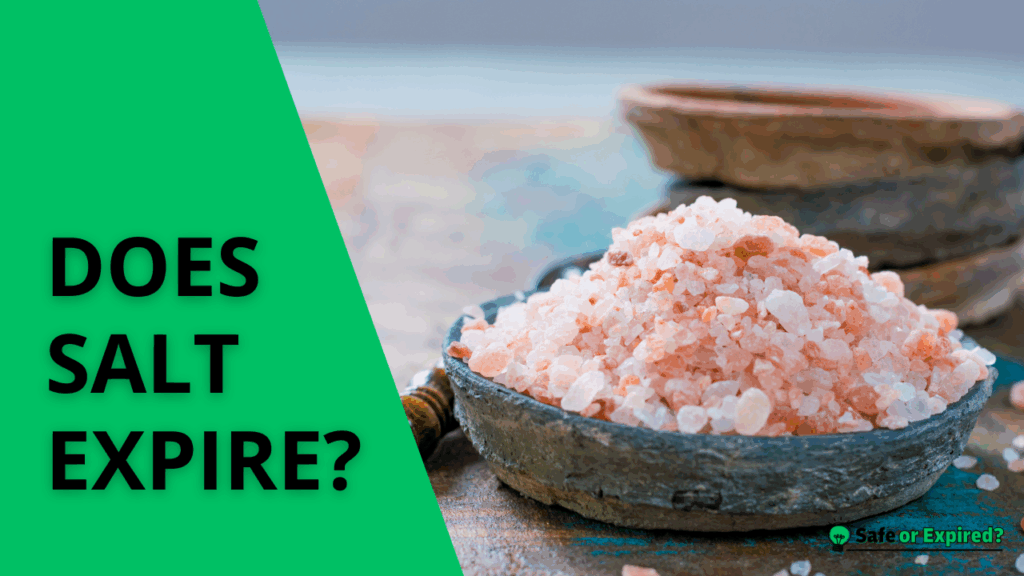
If you’ve ever dug into the back of your pantry and found a crusty old salt shaker that looks like it survived the Great Depression, you’ve probably asked, “Does salt expire?”
Don’t worry — you’re not alone, and you’re not about to be poisoned by a rogue crystal.
Turns out, not all salts are created equal.
Some are basically immortal, and others… well, they’ve got a bit more drama.
Let’s break it down before you break out the trash can.
Does Salt Expire?
Pure salt doesn’t expire—it’s a natural mineral that lasts indefinitely. However, iodized salt or flavored salts can degrade over time due to additives, moisture, or exposure to air. While they’re usually safe, they may lose taste or nutritional value.
If we’re talking about pure salt, like good ol’ sodium chloride? It’s a mineral, not a muffin — it can sit on a shelf until the sun burns out and still season your fries.
BUT (and there’s always a but) — some types of salt do have a shelf life… kind of.
If your salt has extra ingredients, like iodine or herbs, time can mess with it.
Not in a scary, toxic way — more like a “why does my salt taste like cardboard now?” kind of way.
So before you pitch that 5-year-old shaker, let’s get into the nitty-gritty.
Why Salt Is Practically Immortal
Salt is basically nature’s own preservative. Ancient folks used it to keep meat from rotting in the desert heat. Why? Because:
- It draws out moisture — and moisture is what bacteria and mold love
- It has no organic matter to spoil — it’s a rock!
- It’s chemically stable — the sodium and chloride are buddies for life
So if you’ve got pure table salt or rock salt that’s been chilling in your pantry since the last presidential election, and it’s dry and clean — you’re good.
No mold. No germs. Just salty greatness.
But Wait… Not All Salt Is the Same
Here’s where it gets spicy (or… salty?): not all salt is just salt.
| Salt Type | Description | Shelf Life | Special Notes |
Table Salt | Refined sodium chloride; usually iodized and includes anti-caking agents | Long shelf life (5+ years) | Iodine may degrade over time; clumping possible |
Sea Salt | Harvested from evaporated seawater; may contain natural minerals | Long (varies by brand & purity) | Some impurities may affect freshness |
| Pink Himalayan Salt | Mined from ancient deposits; very pure with minimal additives | Essentially indefinite | Stable and low risk of spoilage |
Kosher Salt | Large, coarse flakes; typically no additives | Long (5+ years) | Great for cooking; absorbs moisture quickly if exposed |
Flavored/Infused Salt | Salt blended with herbs, smoke, oils, or spices | Shorter shelf life (6–12 months) | Organic add-ins can spoil, lose flavor, or grow mold |
If your salt is just salty, you’re safe. If your salt comes with flavorings or “personality,” check the label.
Check out How 7 Food Authorities Protect the foods we eat.
Can Iodized Salt Go Bad?
Technically, yes — but it’s not what you think.
Iodized salt is table salt with added iodine, a nutrient we need for healthy thyroids. Over time, the iodine can degrade, especially if the container isn’t airtight or is exposed to light and moisture.
What happens?
- The salt still works as salt
- You just lose some of the iodine benefits
- It may start to smell a little… off (metallic or chemical)
This doesn’t mean it’s dangerous to eat. It’s just no longer the nutritional powerhouse it once was.
📅 Fun fact: Most iodized salt has a "best by" date around 5 years, not because it goes bad — but because the iodine potency fades.
Learn the difference between Best-By and Expiration Dates.
Signs Your Salt Might Be Past Its Prime
While salt doesn’t spoil in the traditional sense, it can get funky. Read details on 9 Common Signs of Spoilage.
But here’s how to tell:
- Clumps or hard chunks – Moisture has gotten in. Still usable, but might need breaking up.
- Yellow or gray tint – Could be from impurities or old packaging.
- Weird smell – That metallic or sour scent? Blame iodine breakdown or additives turning.
- Loss of flavor – Salt should taste like, well, salt. If it tastes flat or off, it’s probably time to replace it.
👃 Rule of thumb: If your salt smells like chemistry class, it’s not dangerous — but it won’t win any taste awards either.
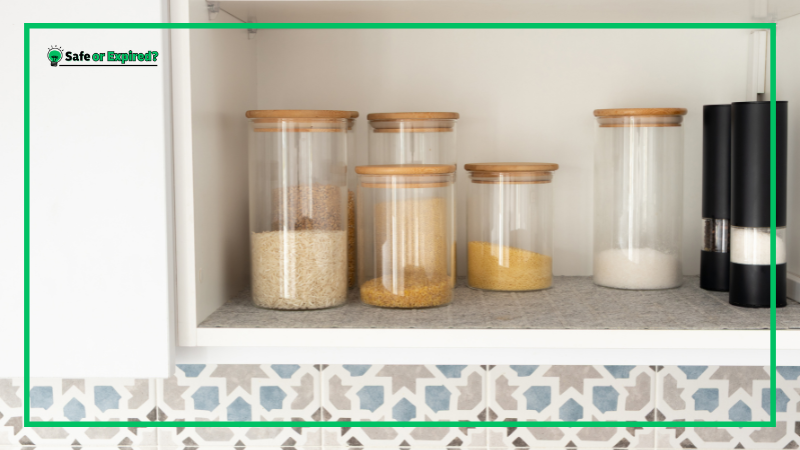
How to Store Salt Like a Legend?
Salt might be tough — but even the saltiest pantry staple has its soft spots.
Think of it like an old-school action hero: it’s powerful, low-maintenance, and sticks around forever… as long as you don’t treat it like a chump.
If you want your salt to stay fresh, flavorful, and flowy, especially the iodized, gourmet, or flavored varieties, here’s how to keep it in top shape.
Keep It Bone-Dry
Moisture is salt’s kryptonite. Just a little humidity in the air, and your salt turns into a stubborn, clumpy mess that won’t shake, scoop, or sprinkle.
Worse? Moisture can cause iodine to break down and mold to grow in flavored salts.
Pro tip: Store salt away from sinks, dishwashers, or humid appliances. No one wants swamp salt.
Use an Airtight Container
Air carries moisture, odors, and even kitchen grease, especially in busy cooking zones. An airtight container keeps all that gunk out and your salt pristine.
- Use glass, ceramic, or BPA-free plastic containers with tight lids.
- Avoid cardboard cartons or paper bags — they absorb moisture like a sponge.
- Bonus points if the container seals with a satisfying click.
Read Food Storage and Preservation Techniques that will make your life easy.
No See-Through Jars (Especially for Iodized or Flavored Salt)
You might love that cute clear mason jar aesthetic, but light breaks down iodine and weakens delicate infused flavors over time. Light also warms things slightly, which can cause condensation — not good.
Opaque containers or dark glass jars are the salt VIP suites.
Think function over Pinterest for this one.
Keep It Cool — and Away From the Stove
Hot steam from cooking = instant humidity bomb. That’s how you end up with solidified salt bricks that need a jackhammer to break apart.
Best storage spots:
- A closed pantry or cupboard
- The back of a cool shelf (away from ovens, stoves, or toasters)
- Anywhere but directly above the pasta pot
Don’t Double-Dip
You know the drill — one careless dip with a wet spoon, and suddenly your salt looks like it belongs in a snow globe. Moisture doesn’t just clump salt; it also introduces bacteria, especially in gourmet or smoked salts.
Always use:
- Clean, dry spoons
- No fingers
- And keep your salt away from steamy cooking chaos
If you’re using a salt cellar or dish, scoop — don’t sprinkle over pots (steam = sneaky).
Salt Wizardry: Add a Few Grains of Rice
This old kitchen hack works like a charm. Toss a few uncooked grains of white rice into your salt shaker — not too much, just a teaspoon or so. The rice acts like a tiny sponge, soaking up any sneaky moisture that might try to crash the party.
- Works best with refined table salt
- Not ideal for coarse salts (they don’t flow as easily)
Bonus: Shake it around, and you’ve got a built-in mini workout.
Storage Summary
| Do | Don’t |
| Use airtight, opaque containers | Store near steam or heat |
| Keep salt dry and sealed | Scoop with wet hands/spoons |
| Store in cool, dark places | Leave in original paper packaging |
| Use rice grains in shakers | Use see-through jars for iodized salt |
What About Fancy Salts? (Smoked, Flavored, or Infused)
These babies are the divas of the salt world.
Smoked salt? Truffle salt? Rosemary sea salt harvested by moonlight? They may taste amazing — but they’re also more perishable.
Why?
- They contain organic matter (herbs, oils, smoke flavoring)
- Organic stuff = mold risk and flavor breakdown over time
⏳ Shelf life tip: Use these salts within 6–12 months, and always keep them sealed tightly and stored cool. Once the flavors fade or smell odd, it’s time to say goodbye.
Does Expired Salt Make You Sick?
Pure salt? No way.
As long as it’s clean, dry, and hasn’t been contaminated, expired salt won’t hurt you. It’s too salty (literally) for bacteria to grow in.
Now if we’re talking about flavored or infused salts that have grown mold or smell like a compost pile? That’s a different story.
Those can harbor bacteria and should be tossed without tasting.
Does Balsamic Vinegar Go Bad? Read here if you’re curious.
👉 Moral of the story: Expired salt? Safe. Funky, spoiled flavored salt? Nope.
How to Tell If Your Salt’s Still Good
Here’s the quick sniff-test, shake-test, sanity checklist:
✅ Still white (or original color)?
✅ Smells like salt or nothing at all?
✅ Free-flowing or easily crumbled?
✅ No mold, clumps, or off odors?
Congrats — your salt is still ready for action.
If it fails the sniff or texture test?
Use it for non-food purposes (we’ll get to that next).
Can You Still Use Expired Salt? And For What?
Don’t want to waste that 10-year-old mystery salt?
Good news: It’s still useful — just maybe not for dinner.
Non-food ways to use expired salt:
- Scrubbing pots & pans (coarse salt + lemon = magic)
- Deodorizing shoes or fridges
- Melting ice on walkways in winter
- Soothing foot soaks or baths
- Cleaning coffee pots or tea stains
- Making homemade salt dough or crafts
♻️ Expired salt might be out of the kitchen — but it’s not out of a job.
Final Verdict: Should You Keep or Toss That Salt?
Here’s your salty cheat sheet.
| Type of Salt | Expires? | Still Safe After “Best By”? | What to Watch For |
| Pure Table Salt | No | Yes — years later | Clumps, off smells |
| Iodized Salt | Not really | Yes — but iodine may fade | Metallic scent, flavor loss |
| Sea Salt / Kosher Salt | No | Yes | Color change, moisture |
| Flavored / Infused | Yes | Not always | Mold, flavor loss, weird smells |
💡 Final word: If your salt smells weird, tastes flat, or clumps like a stress ball... it's probably past its prime. But unless it’s flavored or funky, it’s not dangerous — just underwhelming.
Read Do Saltine Crackers Expire.
FAQ
1. Does Salt Actually Expire?
Pure salt (like table salt or sea salt) doesn’t expire if stored properly. But iodized or flavored salts can degrade in flavor, color, or nutritional value over time.
2. How Long Does Iodized Salt Last?
Most iodized salt has a best-by date around 5 years. After that, it may still be safe to eat but may lose its iodine content and taste slightly off.
3. Can Old Salt Make You Sick?
Not pure salt. It’s too dry and salty for bacteria to survive. However, flavored or infused salts can spoil if contaminated or exposed to moisture.
4. How Should I Store Salt for Maximum Shelf Life?
Keep salt in an airtight, opaque container, away from heat, steam, and humidity. No wet spoons, no stove-side storage. Want bonus points? Add a few grains of rice to keep it clump-free.
5. What Can I Do With Expired or Old Salt?
Toss it in a foot soak, use it for scrubbing pans, sprinkle it on icy sidewalks, or drop it in the trash if it’s flavored and has gone moldy. Salt never stops being useful.
Conclusion: So, Does Salt Expire?
Here’s the final word: Pure salt never really expires. It’s a mineral. It doesn’t spoil, rot, or grow fuzz. So if you’re sitting on a decade-old jar of Himalayan pink salt, congrats — it’s still good.
However, salts with added iodine, moisture, or flavorings? Those have a shelf life. They may lose potency, change taste, or even grow mold (especially the fancy ones with herbs and oils).
- Use your senses.
- Check the label.
- And if it’s funky, don’t junk it — repurpose it!
Salt doesn’t die — it just changes careers.
does salt expire, does salt expire, does salt expire, does salt expire, does salt expire, does salt expire, does salt expire, does salt expire, does salt expire, does salt expire, does salt expire, does salt expire, does salt expire, does salt expire,
