
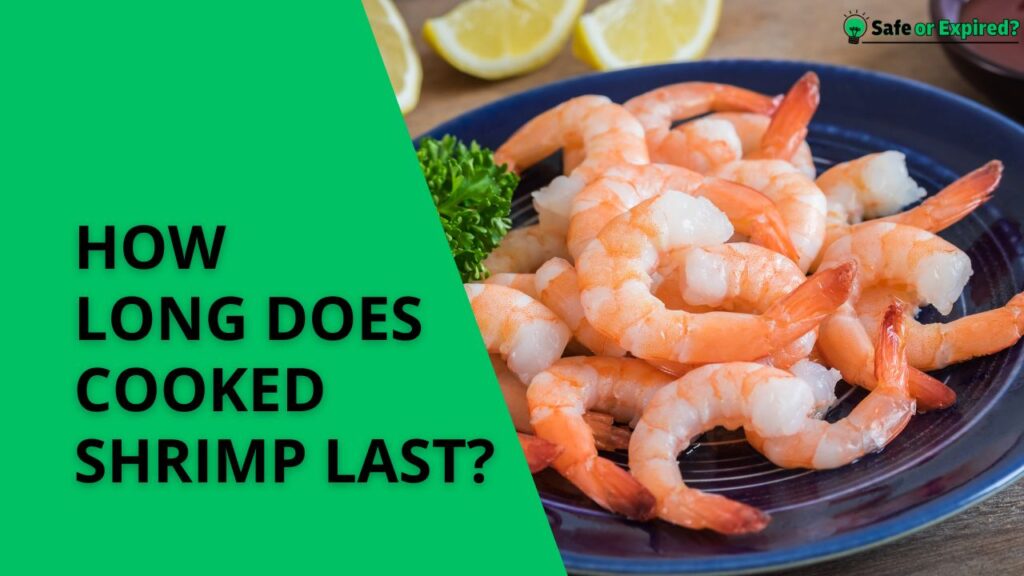
So, you’ve got some leftover shrimp and you’re playing fridge detective.
I’ve been there..staring at those pink little critters, wondering if they’re still dinner or a dare.
How long does cooked shrimp last?
That’s not just a casual question…it’s a full-on seafood safety mission.
Let’s break it down before your taste buds (or stomach) take the hit.
How Long Does Cooked Shrimp Last?
Cooked shrimp lasts up to 3 days in the fridge and 2 to 3 months in the freezer if stored properly in an airtight container. Always check for signs of spoilage like sour smell or slimy texture before eating.
How Long Is Cooked Shrimp Good For in the Fridge?
Let’s not shrimp around the facts… cooked shrimp in the fridge typically lasts about 3 to 4 days if stored properly at or below 40°F (4°C). That’s according to USDA guidelines.
Past that point, your tasty seafood treat may start to turn into a risky bite.
If you’ve left it out for more than 2 hours, it’s already entered the danger zone.
Same goes for cooked salmon, read how long does cooked salmon last in the fridge?
Bacteria like Listeria monocytogenes and Vibrio love a lukewarm buffet.
So, when in doubt, throw it out.
Not sure what that ‘sell-by’ meant on the package? Read expiration vs best-by.
Does the Storage Method Affect Shelf Life?
Absolutely! How you store shrimp is like choosing between silk sheets and sandpaper—how to store cooked shrimp matters.
If you toss it in a container without a lid, expect spoilage to crash the party early. Use an airtight container or vacuum-sealed bag to keep your shrimp fresher longer.
Want an even better shelf life? Layer the cooked shrimp with a paper towel to absorb excess moisture. Moisture = bacteria’s playground.
Also, never store shrimp with strong-smelling foods unless you want a shrimp-scented cheesecake (please don’t).
How to Store Cooked Shrimp Properly
Whether you cooked up a batch of Cajun shrimp or grabbed leftovers from your favorite seafood joint, storing it the right way is your ticket to flavor and safety. Read our guide on storing cooked food.
In the Refrigerator
- Cool it fast: Shrimp should go into the fridge within 2 hours of cooking. Bacteria grow fast at room temperature.
- Use airtight containers: Choose BPA-free containers with snug-fitting lids or resealable plastic bags.
- Keep it cold: Place the shrimp in the back of the fridge, where it’s coldest—not near the door where temps fluctuate.
- Use paper towels: Line the bottom of your container with a dry paper towel to absorb moisture. Less moisture means fewer bacteria.
- Keep leftovers fresher with these food storage tips (cool quickly, airtight, label).
In the Freezer
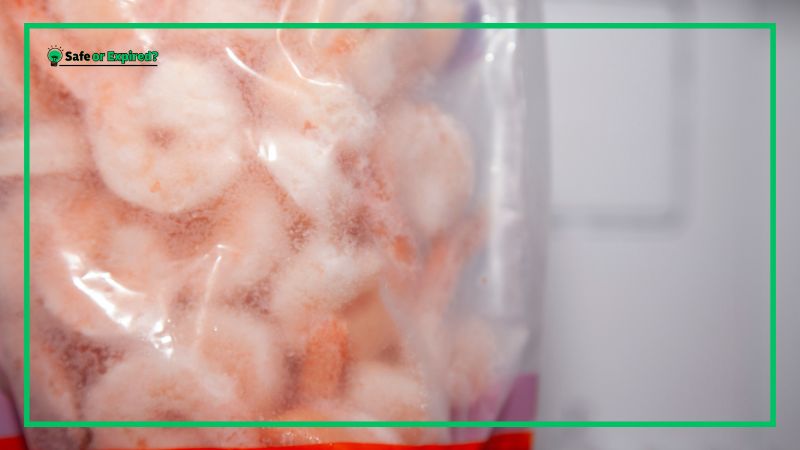
- Flash freeze first: Spread cooked shrimp on a baking sheet so they freeze individually—not in a clump.
- Bag it up: After flash freezing, transfer them to heavy-duty freezer bags. Squeeze out as much air as possible.
- Label it: Don’t forget the date! Shrimp stays good in the freezer for about 2 to 3 months.
- Double-wrap: For extra protection against freezer burn, wrap the bag in aluminum foil or place it inside a second zip-top bag.
Storing Cooked Shrimp – Quick Reference Table
| Storage Method | Key Tips | Shelf Life |
| Refrigerator | Cool within 2 hours, use airtight container, keep coldest area of fridge, add paper towel to absorb moisture | Up to 3–4 days |
| Freezer | Flash-freeze first, store in freezer bags or airtight containers, remove air, label with date | Up to 2–3 months |
Extra Tip: Keep shrimp away from strong-smelling foods like onions or garlic. Shrimp is basically a sponge when it comes to absorbing odors.
Storing shrimp like a pro keeps it tasting fresh and reduces the risk of spoilage or foodborne illness. It’s a win-win, really.
What Happens If You Eat Spoiled Shrimp?
Oh, buddy. If you eat bad shrimp, you’re in for a world of discomfort—and we’re not just talking about flavor. Food safety cooked shrimp issues can lead to:
- Nausea and vomiting
- Diarrhea
- Abdominal pain
- In rare cases, even hospitalization
- Check out How 7 Food Authorities Protect the foods we eat.
The culprits?
Bacteria like Salmonella and Vibrio vulnificus.
These microbes don’t play fair.
Trust your senses—if it smells off or looks funky, it’s not worth the gamble.
Need more info? The CDC offers solid guidance on preventing food poisoning and seafood safety.
How to Tell If Cooked Shrimp Is Bad
Not all shrimp show their true colors, but most do. So here’s how to play shrimp detective:
- Smell: Sour or ammonia-like? Toss it.
- Texture: Slimy or sticky? Into the bin it goes.
- Color: Discoloration or black spots? Say goodbye.
- Unsure after opening the container? Compare with common spoilage signs.
If your shrimp hits even one of these red flags, don’t try to “cook the bad out.”
That’s not how bacteria works, friend.
It’s how stomach bugs begin.
Shrimp’s not shy about going bad—it gives off all the right (or wrong) signals.
Here’s how to know when to say goodbye.
Signs of Spoiled Cooked Shrimp
| Indicator | What You’ll Notice | What It Means |
| Smell | Sour, ammonia-like, or overly fishy odor | Bacterial growth—toss it |
| Texture | Slimy, sticky, or mushy feel | Likely spoiled—don’t risk it |
| Color | Grayish tones, yellow patches, or black spots | Visual spoilage signs |
| Mold | Fuzzy spots—white, green, or blue | Definitely unsafe |
| Time | More than 3–4 days in the fridge | Even if it looks okay, it’s not |
Remember: shrimp is not the food you gamble with. One bad bite and you could be making more trips to the bathroom than you'd like.
How Long Does Cooked Shrimp Last in the Freezer?
If you’re a planner (or a shrimp hoarder, no judgment), the freezer is your best friend. Cooked shrimp can last 2 to 3 months in the freezer if it’s stored properly.
That’s right—you can lock in freshness and flavor, provided you don’t just toss it in a bag and hope for the best.
First, flash freeze the shrimp on a baking sheet so they don’t clump together.
Then transfer them into a freezer-safe container or heavy-duty zip-top bag, pressing out as much air as you can.
Label it with the date—you’re not trying to solve a mystery later.
Quick reference:
| Storage Setup | Shelf Life |
| Freezer-safe container | 2–3 months |
| Not airtight / unlabeled | < 1 month (quality declines fast) |
Trust me—freezer-burned shrimp is just sad.
Storing Leftover Shrimp vs. Freshly Cooked Shrimp
Now here’s where people get tripped up: leftovers from a restaurant aren’t always handled the same way you’d treat your home-cooked seafood.
For one, you don’t know exactly when it was cooked or how long it sat out before landing in your doggy bag.
If you made the shrimp at home, you’re in control.
You know when it was cooked, how clean the kitchen was, and how fast it hit the fridge.
That gives you a bit more shelf life and confidence.
Compare the two.
| Type | Safe Storage Time | Notes |
| Freshly cooked shrimp | 3–4 days | Cool and store promptly |
| Takeout leftovers | 1–2 days | Use sooner; don’t reheat twice |
Moral of the story?
Leftovers are great… but they’re not invincible.
Can You Eat Cooked Shrimp After 5 Days?
Here’s a spicy truth bomb: if your shrimp has been hanging out in the fridge for more than 4 days, it’s time to let go.
I know it’s hard.. wasting food never feels good… but eating cooked shrimp after 5 days is just not worth the food poisoning risk.
Even if it looks and smells fine, bacteria like Listeria don’t always make themselves known. Your nose isn’t a microscope.
Think of it like this:
| Day Stored | Risk Level |
| Day 1–3 | Safe (if stored right) |
| Day 4 | Use with caution |
| Day 5+ | Toss it—seriously |
A shrimp taco is not worth a trip to the ER.
Trust your calendar.
Safety Tips for Reheating Cooked Shrimp
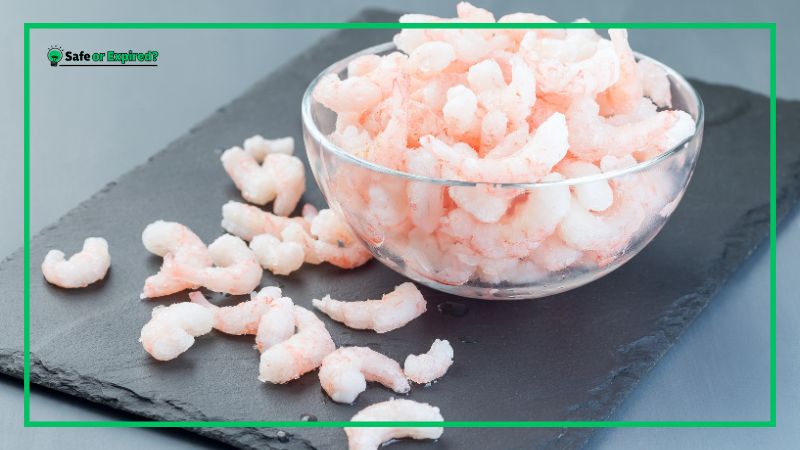
When it comes to reheating cooked shrimp, it’s not just about getting it hot—it’s about getting it safe. Seafood is more sensitive than your average dinner leftovers, and shrimp in particular can go from succulent to sketchy real fast.
Why Reheating Matters
Leftover shrimp, if stored properly, can be a delicious encore. But mishandling the reheating process invites trouble. Shrimp must reach an internal temperature of 165°F (74°C) to be considered safe. Anything less, and you’re playing bacterial roulette with your gut.
The Do’s of Safe Reheating
- Do reheat only once. Every trip through the heat cycle gives bacteria another chance to multiply.
- Do use a food thermometer. It’s not overkill—it’s food safety 101.
- Do stir or flip your shrimp mid-reheat. Uneven heating can leave cold spots where bacteria survive.
- Do reheat only what you plan to eat. Leftovers of leftovers? That’s a no-go.
The Don’ts of Reheating Shrimp
- Don’t reheat frozen shrimp directly. Always thaw overnight in the fridge first to ensure even reheating.
- Don’t microwave on high. This will likely overcook the edges and leave the center cold.
- Don’t leave it sitting out post-reheat. Eat it immediately or refrigerate within 2 hours.
Best Reheating Methods Ranked
| Method | Why It’s Good | Pro Tips |
| Stovetop | Fast, even heat with better texture | Use a bit of oil or butter for moisture |
| Oven | Gentle, prevents overcooking | Wrap in foil to keep from drying out |
| Microwave | Quick, but uneven heating risk | Use low power + short intervals |
| Air fryer | Crispy, but may dry it out | Use only for already crispy dishes |
At the end of the day, shrimp doesn’t like to be overcooked or overheated.
Treat it gently and you’ll keep both flavor and safety intact.
Best Practices to Maximize Cooked Shrimp Shelf Life
So, you’ve cooked the perfect shrimp. Now, how do you make that delicious effort last? Whether you’re meal-prepping or just hate wasting food, extending shrimp’s shelf life is both smart and satisfying.
Also compare shelf-stable seafood in how long canned tuna lasts.
Tip 1: Cool It Fast
Leaving cooked shrimp on the counter for too long is a one-way ticket to Spoilsville. Bacteria love temperatures between 40°F and 140°F—aka the “danger zone.”
Always refrigerate shrimp within 2 hours of cooking. If it’s a hot day or over 90°F? Make that 1 hour.
Tip 2: Go Airtight or Go Home
Oxygen is the enemy of freshness. Use airtight containers or vacuum-seal bags to block out air and slow down spoilage.
Not only will this keep your shrimp fresh longer, but it’ll also prevent it from soaking up strange fridge odors (looking at you, leftover garlic bread).
Tip 3: Freeze Like a Pro
If you know you won’t eat your shrimp in a few days, freeze it right away. The key here is prep:
- Spread shrimp out on a baking sheet to flash freeze individually.
- Transfer to a freezer-safe bag and press out the air.
- Label it with the date so you’re not playing freezer archaeology next month.
Tip 4: Don’t Overcrowd
If your container is stuffed to the brim, the shrimp in the middle won’t cool evenly, creating warm pockets where bacteria thrive. Give your shrimp some space—or split into smaller containers if needed.
Tip 5: Keep It Cold
This sounds obvious, but fridge temps matter. Your refrigerator should be set at 40°F or below, and your freezer at 0°F or lower. Use a fridge thermometer if you’re unsure—it’s a cheap tool that can save your shrimp (and your stomach).
Shrimp Storage Best Practices at a Glance
| Practice | Why It Helps |
| Refrigerate promptly | Keeps bacteria from multiplying |
| Use airtight containers | Reduces air exposure and odor absorption |
| Freeze within 2 days | Preserves quality and extends shelf life |
| Store in coldest part | Ensures consistent low temperature |
| Label containers | Prevents accidental food roulette |
| Thaw in fridge, not counter | Keeps shrimp at safe temps during thawing |
Following these steps isn’t just smart—it’s delicious.
Your shrimp will stay safe, fresh, and ready for action whether it’s going into a salad, pasta, or next-day po’ boy.
Can I Eat Shrimp That Was Cooked, Then Refrigerated, Then Frozen?
Yes, you can safely eat shrimp that was cooked, then refrigerated, and later frozen.. but timing is everything.
If the cooked shrimp was properly refrigerated within 2 hours of cooking and stayed in the fridge no longer than 3 days, it’s generally safe to freeze at that point.
However, freezing doesn’t reverse spoilage… it just pauses it.
If the shrimp was close to its fridge limit (say, day 3), you’ll want to use it soon after thawing. And always store it in an airtight container to prevent freezer burn and contamination.
When you’re ready to eat it, thaw the shrimp in the fridge overnight and reheat it to 165°F for safe consumption.
Avoid thawing at room temperature, as that encourages bacterial growth.
Key Tips:
- Only freeze shrimp that’s still fresh.
- Use within 2–3 months for best quality.
- Always check for signs of spoilage (sour smell, slimy texture) after thawing.
See where shrimp fits inside our broader food shelf-life guide.
FAQ
How Long Can Cooked Shrimp Last in the Fridge?
Cooked shrimp can last in the fridge for up to 3–4 days if stored in an airtight container at or below 40°F. Any longer, and it starts heading into unsafe territory.
Can You Reheat Cooked Shrimp More Than Once?
Nope! Reheat shrimp only once to reduce the risk of bacterial growth. After that, it’s time to let it go—even if it still looks fine.
What Does Spoiled Cooked Shrimp Look Like?
Spoiled shrimp may turn grayish, have black spots, or grow mold. It can also develop a sour or ammonia-like smell. Trust your senses—and your gut.
Can Cooked Shrimp Be Frozen After Being in the Fridge?
Yes! If it’s still within the safe 3-day window, you can transfer cooked shrimp to the freezer to extend its life by 2–3 months. Just store it in a freezer-safe container.
Is Shrimp Still Good If It Doesn’t Smell Bad?
Not always. Some bacteria that cause foodborne illness don’t smell or look bad, so it’s still safest to stick to the 3–4 day rule—even if the shrimp seems fine.
Conclusion
In a Shell… Here’s What You Need to Know:
- Cooked shrimp in fridge is good for 3 to 4 days max if stored properly.
- Cooked shrimp shelf life can stretch up to 3 months when frozen right.
- How to tell if cooked shrimp is bad? Check the smell, texture, and color.
- Reheating shrimp safely means only once and to 165°F.
- Proper storage and quick cooling are your best defenses against spoilage.
Shrimp may be small, but mishandling it can lead to big problems.
Luckily, you’ve now got all the tools to store, freeze, and enjoy your shrimp with confidence.
So the next time you cook up a crustacean feast, you’ll know exactly how to keep it fresh and food-safe!
how long does cooked shrimp last how long does cooked shrimp last how long does cooked shrimp last how long does cooked shrimp last how long does cooked shrimp last how long does cooked shrimp last how long does cooked shrimp last how long does cooked shrimp last how long does cooked shrimp last how long does cooked shrimp last how long does cooked shrimp last how long does cooked shrimp last how long does cooked shrimp last how long does cooked shrimp last how long does cooked shrimp last how long does cooked shrimp last how long does cooked shrimp last how long does cooked shrimp last how long does cooked shrimp last how long does cooked shrimp last how long does cooked shrimp last how long does cooked shrimp last how long does cooked shrimp last how long does cooked shrimp last how long does cooked shrimp last
