
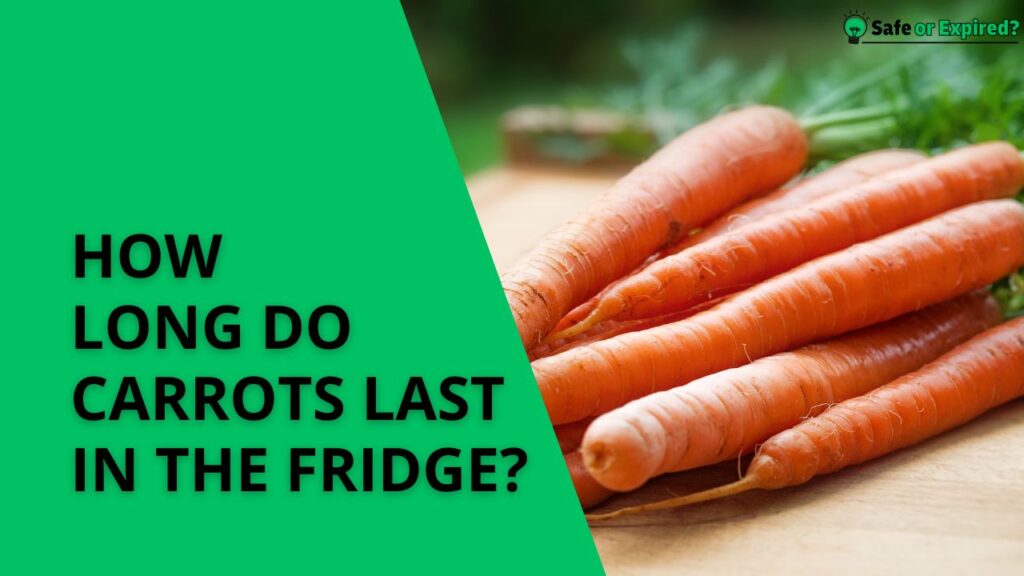
Carrots the unsung heroes of the crisper drawer. Crunchy, sweet, and shockingly long-lasting (if stored right), they’ve powered everything from lunchbox snacks to soup bases.
But one question haunts many a fridge-cleaning session: how long do carrots actually last in the fridge?
Spoiler: not forever. But with the right storage moves, they’ll stick around long enough for every salad, soup, and “I’m too lazy to cook” snack in your future.
So let’s dig in (pun fully intended).
How Long Do Carrots Last in the Fridge?
Whole raw carrots last 3–4 weeks in the fridge, while cut or baby carrots last 2–3 weeks. Cooked carrots stay fresh for about 3–5 days. Keep them dry and sealed for best results.
| Carrot Type | Fridge Life | Storage Tip |
| Whole (unpeeled) | 3–4 weeks | Perforated bag in crisper drawer |
| Cut or sliced | 2–3 weeks | In water or airtight container |
| Cooked carrots | 3–5 days | Airtight container, refrigerate ASAP |
| Baby carrots | 2–3 weeks | Keep dry, store in original bag |
| Frozen carrots | 10–12 months | Blanch before freezing if raw |
Learn the difference between Best-By and Expiration Dates.
Can you eat expired carrots? Read this article to find out.
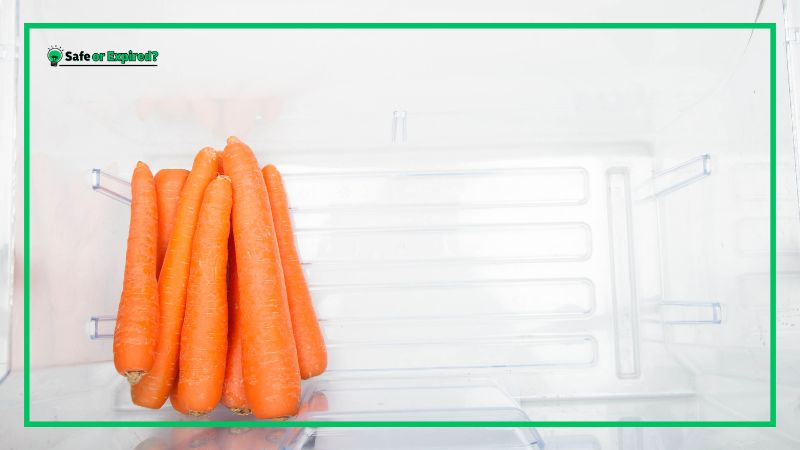
How Long Do Carrots Last in the Fridge?
Carrots might be humble, but they’re fridge royalty when it comes to lasting power. These crunchy root veggies can hang out in your crisper drawer longer than most produce if you treat them right.
In general:
- Whole, unpeeled carrots last up to 3–4 weeks.
- Cut or peeled carrots last around 2–3 weeks.
- Cooked carrots should be eaten within 3–5 days.
Why the range? It all comes down to how you store them and whether you’re working with full-grown carrots or baby carrots (we’ll get to those mini guys later).
Check out How 7 Food Authorities Protect the foods we eat.
Wondering do sauerkraut go bad? Read it here.
Raw Whole Carrots: Shelf Life & Storage Tips
Whole, raw carrots are storage champs. They last the longest when:
- Kept unpeeled
- Stored in a plastic bag with air holes
- Placed in the crisper drawer of your fridge
To go the extra mile:
- Wrap them loosely in paper towels to absorb excess moisture.
- Avoid airtight containers — trapped humidity leads to mushville.
| Carrot Type | Fridge Life |
| Whole, unpeeled | 3–4 weeks |
| Whole, peeled | 2–3 weeks |
Don’t wash them before storing. Carrots prefer to stay dry until you’re ready to use them.
Cut or Sliced Carrots: How Long They Last
Once you cut or peel a carrot, its clock starts ticking. Exposed flesh loses moisture faster, which means soft, sad carrots sooner.
To maximize lifespan:
- Store in a sealed container in the fridge.
- Add a damp paper towel inside to keep them hydrated.
- Or better yet, store them fully submerged in cold water and change the water every 2–3 days.
This method keeps cut carrots crisp and snack-ready perfect for meal preppers and snackers alike.
| Cut Carrots Storage | Fridge Life |
| Airtight container | 1–2 weeks |
| In water (changed regularly) | 2–3 weeks |
Cooked Carrots: Fridge and Freezer Lifespan
Cooked carrots don’t play the long game like their raw cousins. Once they’ve been roasted, boiled, or sautéed, their shelf life shortens to:
- 3–5 days in the fridge
- Up to 10–12 months in the freezer
Tips for storing cooked carrots:
- Cool them quickly after cooking.
- Use a shallow, airtight container for storage.
- Don’t leave them out at room temp for more than 2 hours bacteria love lukewarm carrots.
Planning to freeze them?
Blanch before freezing for best texture if they’re not already cooked. Store in freezer-safe bags with the air squeezed out.
Carrot Shelf Life: What Affects It
Carrots are one of the most resilient vegetables in your fridge but even they have limits. How long they actually last depends on a few key factors: their type, how they’re handled, and where (and how) they’re stored.
Read more on factors affecting food spoilage.
1. Carrot Type Matters
Not all carrots have the same staying power.
| Carrot Type | Fridge Shelf Life | Why It Varies |
| Whole, unpeeled | 3–4 weeks | Natural skin protects moisture levels |
| Whole, peeled | 2–3 weeks | Exposed flesh dries out faster |
| Baby carrots | 2–3 weeks | Pre-peeled and prone to slime |
| Cut or sliced | 1–2 weeks | More surface area = faster spoilage |
| Cooked carrots | 3–5 days | More vulnerable to bacteria growth |
2. Storage Temperature
Carrots like it cold but not freezing. The sweet spot is between 32°F and 40°F (0–4°C), just like the crisper drawer in your fridge.
- Too warm = they go limp and lose moisture.
- Too cold (freezer without protection) = freezer burn and texture loss.
3. Humidity & Moisture
Carrots need the right amount of moisture, not too much, not too little.
- Too dry: They shrivel up and become rubbery.
- Too wet: They turn slimy and grow bacteria.
That’s why breathable bags or containers with paper towels work so well they regulate moisture and airflow.
4. How You Handle Them
The way you prep and store carrots directly impacts shelf life:
- Don’t wash carrots until you’re ready to use them excess moisture equals faster spoilage.
- Peeling shortens shelf life, so keep skins on if possible.
- Use clean containers when storing to avoid bacteria transfer.
5. Ethylene Gas Exposure
Fruits like apples, bananas, and pears release ethylene gas, which speeds up the ripening (and rotting) of nearby vegetables including carrots.
Keep them in a separate drawer or bin to maximize shelf life. With the right storage habits and a little TLC, your carrots can go the distance
Best Ways to Store Carrots in the Refrigerator
Carrots are tough but improper storage can turn them from crisp and snappy to sad and soggy in no time. Whether you’re stockpiling whole roots or meal-prepping sliced sticks, here’s how to keep your carrots in peak condition.
Read Food Storage and Preservation Techniques that will make your life easy.
1. Store Whole, Unpeeled Carrots in a Perforated Plastic Bag
Why it works:
- Carrots like a little airflow to avoid moisture buildup, but not too much air, which causes drying.
- Perforated bags (like store produce bags) strike the balance between ventilation and humidity.
Where to keep them:
- In the vegetable crisper drawer, where humidity is higher and temperatures are stable.
2. Keep Cut Carrots in Water (But Change It!)
Cut, peeled, or baby carrots love moisture but stagnant moisture leads to slime.
- Place in a sealed container filled with cold water.
- Change the water every 2–3 days to avoid bacteria and funk.
Bonus: This keeps carrots ultra-crisp, perfect for snacking!
3. Use Airtight Containers (With a Twist)
For both raw and cooked carrots:
- Airtight containers help reduce oxygen exposure and slow spoilage.
- Add a dry paper towel to absorb condensation, especially with cut carrots.
- Don’t overcrowd, airflow is key to freshness.
4. Wrap in Paper Towels and Store in Bags
This is a DIY crisper hack:
- Wrap unpeeled carrots in a paper towel.
- Place inside a loosely sealed bag or produce pouch.
- The paper towel wicks away excess moisture without drying the carrots out.
Perfect if you’re trying to avoid plastic-heavy storage!
5. Separate From Ethylene-Producing Fruits
Apples, pears, and bananas give off ethylene gas, which speeds up carrot spoilage. Store carrots in a drawer away from these fruits, or in a separate container entirely.
Storage Mistakes to Avoid
| Mistake | Why It’s Bad |
| Sealing carrots while wet | Traps moisture = slime and mold |
| Leaving carrots loose in fridge | Dehydrates them quickly |
| Not checking water when stored in jars | Water turns murky and grows bacteria |
| Storing near apples or bananas | Ethylene gas leads to premature spoilage |
Signs Carrots Have Gone Bad
Carrots are typically low-maintenance, but when they go off, they don’t mess around. Spoiled carrots aren’t just sad they can also be unsafe to eat. Read details on 9 Common Signs of Spoilage.
Here’s how to spot the telltale signs that it’s time to say goodbye to your orange friends.
1. They’re Limp or Rubbery
If your once-crispy carrot now bends like a yoga instructor, it’s well past its peak.
- Why it happens: Loss of moisture over time, especially in unsealed storage.
- Safe to eat? Technically yes, but the texture is a letdown, great for soups, not snacks.
2. They Smell… Not Like Carrots
Fresh carrots have little to no odor. If yours have a sour, musty, or “off” smell, that’s bacteria or mold saying hi.
- Toss immediately, odor is one of the earliest red flags of decay.
3. Slimy Texture
Pull a carrot out and it feels like it’s been dipped in Vaseline? That’s slime and not the fun kind.
- Cause: Bacteria thriving in excess moisture (especially in bags or wet containers).
- Safe to eat? Nope. Slimy carrots go straight to the bin.
4. Mold or Fuzz
White, gray, or green mold on the skin (or inside the bag)? That’s a wrap.
- Note: Mold can spread below the surface, even if it’s only visible in spots.
- Don’t try to trim and save, it’s not worth the risk.
5. They’re Discolored
Carrots should be orange. (Or purple, yellow, or white, if you’re fancy.) If yours are turning:
- Brown or black: Likely rotting.
- Grayish or dull: Dehydration and age.
- White haze (“carrot blush”): Safe, but drying out. Still edible, just a little sad.
6. They’ve Been in the Fridge Forever
Even if your carrots look fine, if they’ve been hanging around longer than:
- 4 weeks (whole)
- 2–3 weeks (cut/baby carrots)
- 5 days (cooked)
…it’s better to toss and restock.
Quick Spoilage Table
| Spoilage Sign | What It Means | Safe to Eat? |
| Limp or rubbery | Dehydrated | Yes (cook first) |
| Slimy or sticky | Bacterial growth | No |
| Off smell | Spoilage in progress | No |
| Mold or fuzz | Mold contamination | No |
| Color changes (brown/black) | Rot or decay | No |
| White haze | Surface drying (“carrot blush”) | Yes |
Can You Freeze Carrots? How Long They Last Frozen
You bet. Freezing carrots is a great way to reduce waste — and future-you will thank past-you during soup season.
For Raw Carrots
- Blanch first (2–3 minutes in boiling water)
- Cool, pat dry, freeze in single layers
- Store in freezer-safe bags for up to 12 months
- Read our guide on storing cooked food
For Cooked Carrots:
- Store in airtight freezer containers
- Freeze up to 10–12 months
- Here’s our guide on storing raw food
Label and date them, “mystery carrot clump” is not a vibe.
Tips to Make Carrots Last Longer
Extend the life of your carrots with these easy tricks:
| Tip | Why It Works |
| Keep them dry | Moisture = mold |
| Store away from ethylene fruits | Prevents premature softening |
| Use breathable bags | Allows air circulation |
| Change water for cut carrots | Stops bacteria and keeps crispness |
| Refrigerate ASAP | Room temp speeds spoilage |
Your carrots deserve spa treatment — not a swampy drawer experience.
Do Baby Carrots Last as Long as Regular Carrots?
Baby carrots may be cute, but they’re also high maintenance. Because they’re peeled and prewashed, they spoil faster than whole carrots.
- Fridge life: 2–3 weeks, max
- Watch for slimy texture, white spots (aka “carrot blush”), and weird smells
Keep them in their original bag or a sealed container with a paper towel to absorb moisture.
How Long Do Carrots Last in a Plastic Bag?
Plastic bags can be a blessing or a curse. Here’s how they stack up:
| Bag Type | Lifespan | Notes |
| Perforated produce bag | 3–4 weeks | Allows airflow, best for whole carrots |
| Zip-top bag (sealed) | 1–2 weeks | Too humid unless lined with paper towel |
| Baby carrot bag | 2–3 weeks | Keep sealed and dry |
Skip the airtight squeeze — too much moisture can trigger spoilage.
FAQ
How Long Do Carrots Last in the Fridge?
Whole, raw carrots last 3 to 4 weeks in the refrigerator, while cut or peeled carrots last 2 to 3 weeks when stored properly.
Can I Eat Carrots That Are a Little Slimy?
Nope. Slimy carrots are a sign of bacterial growth and should be tossed. They’re no longer safe to eat, even if they look fine otherwise.
What’s the Best Way to Store Carrots for Maximum Freshness?
Store whole carrots in a perforated bag in the crisper drawer. For cut carrots, submerge them in cold water (change the water every few days) or use an airtight container lined with a paper towel.
Can You Freeze Carrots Without Cooking Them?
Technically yes, but it’s not ideal. For best results, blanch raw carrots before freezing to preserve texture and flavor. Cooked carrots freeze just fine.
Why Do Baby Carrots Get Slimy So Fast?
Baby carrots are pre-peeled and washed, which makes them more susceptible to moisture buildup and slime. Keep them dry, and use them within 2–3 weeks.
Conclusion
Carrots may be low-key, but they deserve VIP storage treatment. Here’s your quick recap carrot survival guide:
- Whole, unpeeled carrots last up to 3–4 weeks in the fridge.
- Cut, peeled, or baby carrots last about 2–3 weeks (in water or sealed containers).
- Cooked carrots need to be eaten within 3–5 days, or frozen for up to a year.
- Store carrots away from fruits like apples and bananas to avoid ethylene-induced spoilage.
- Slimy, stinky, moldy, or rubbery carrots? It’s time to part ways.
Store them smart, keep them crisp, and your fridge will never be full of limp orange regrets again.
how long do carrots last in the fridge how long do carrots last in the fridge how long do carrots last in the fridge how long do carrots last in the fridge how long do carrots last in the fridge how long do carrots last in the fridge how long do carrots last in the fridge how long do carrots last in the fridge how long do carrots last in the fridge how long do carrots last in the fridge how long do carrots last in the fridge how long do carrots last in the fridge how long do carrots last in the fridge how long do carrots last in the fridge how long do carrots last in the fridge how long do carrots last in the fridge how long do carrots last in the fridge how long do carrots last in the fridge how long do carrots last in the fridge how long do carrots last in the fridge how long do carrots last in the fridge how long do carrots last in the fridge
