
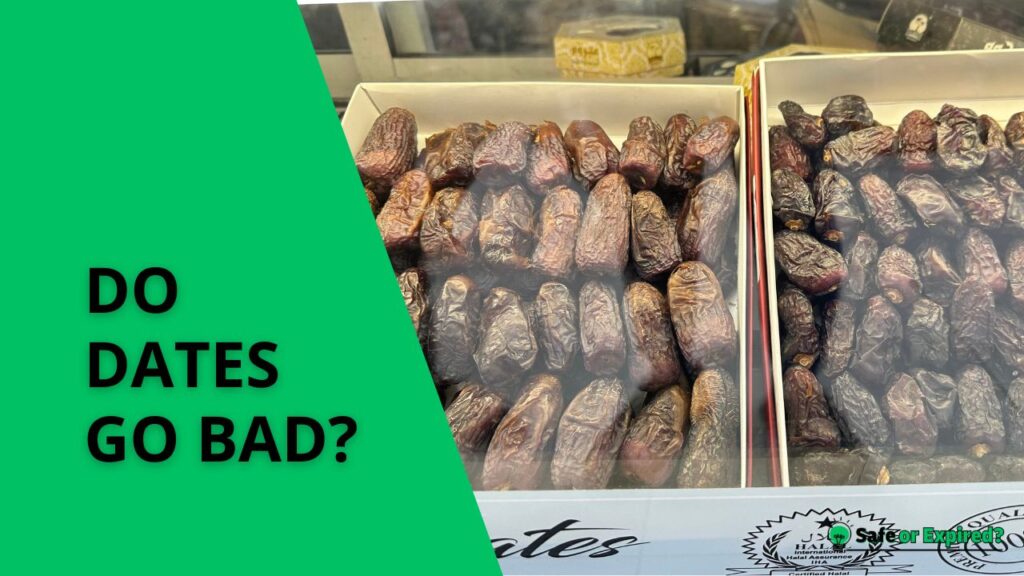
Dates have a reputation for lasting forever. People find half-finished boxes in kitchen cabinets, Ramadan gift tins from years ago, or packets pushed to the back of the fridge and wonder the same thing: do dates actually go bad, or do they just dry out and keep going?
The truth sits somewhere in between. Dates last much longer than most fruits because sugar protects them naturally, but they still respond to storage conditions, moisture, and time.
Once you know what changes are harmless, what signals real spoilage, and how different date varieties age, you stop guessing and start using dates with confidence instead of caution.
Do Dates Go Bad? ALl You Need To KNow?
Dates do not spoil quickly because their high sugar content acts as a natural preservative. Fresh dates last weeks to months depending on storage, while dried dates can last years if kept cool and dry.
Dates usually lose quality before they become unsafe, but moisture, mold, or fermentation indicate spoilage.
Dates contain a high concentration of natural sugars and very little water compared to most fruits. That sugar binds available moisture, which slows microbial growth. This natural preservation explains why dates have sustained travelers and desert communities for centuries.
Dried dates last longer than fresh dates because drying removes even more moisture. Fresh dates still contain enough water to spoil faster if stored poorly. Dried dates behave more like shelf-stable foods, as long as humidity stays low.
This same moisture logic appears across food storage. If you want the broader context, our blog on Food Storage and Preservation Techniques explains why low water content dramatically extends shelf life.
Shelf Life of Dates (Fresh vs Dried)
Dates vary widely in shelf life depending on how they are processed and stored.
Shelf Life of Dates
| Type of Dates | Pantry Storage | Refrigerator | Quality Notes |
| Fresh dates | 1 to 2 weeks | 1 to 3 months | Higher moisture, spoils faster |
| Dried dates | 6 to 12 months | 1 to 2 years | Texture slowly dries over time |
| Vacuum-sealed dates | 1 year | 2+ years | Best quality retention |
Fresh dates behave more like produce. Dried dates act more like shelf-stable snacks. Storage temperature and humidity control how long they stay usable.
Do Dates Go Bad or Just Lose Quality?
Dates usually lose quality before they become unsafe.
Quality loss shows up as dryness, crystallized sugar on the surface, or slight darkening. These changes affect texture and taste, not safety.
Dates often confuse people because sugar crystallization looks suspicious. White spots on dates usually come from natural sugar migrating to the surface. This does not mean the dates have gone bad.
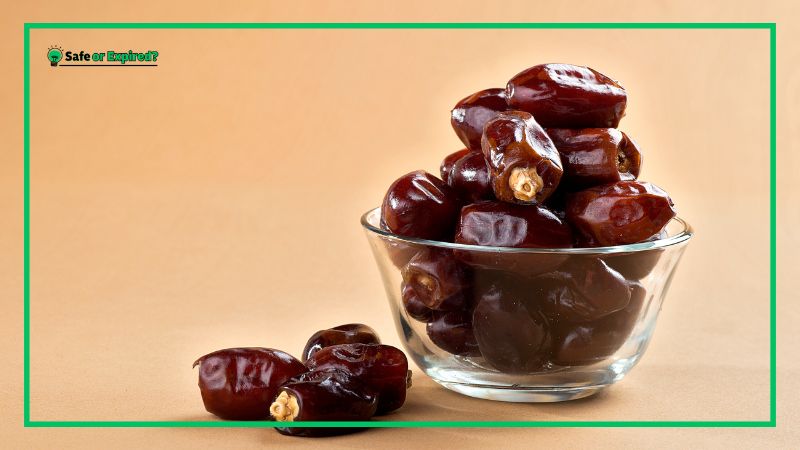
Dates can also darken on the inside over time and develop a denser or slightly grainy texture. This usually happens as natural sugars continue to concentrate and redistribute during storage. Internal darkening on its own does not mean the dates have gone bad.
As long as the dates smell clean, show no mold, and do not feel slimy, they remain safe to eat. True spoilage involves sour odors, visible mold, or fermentation, not gradual color or texture changes that come with age.
Understanding the difference between quality and safety helps here. The breakdown of Best-By and Expiration Dates in our blog explains why dates often outlive the date printed on the package.
How to Tell If Dates Have Gone Bad
Dates age slowly, but spoilage does not hide when it starts. They give clear visual, textural, and smell-based signals.
Before checking individual signs, pause and smell the dates. A clean, mildly sweet aroma usually means they are still fine. Sour or alcoholic smells signal fermentation.
Signs Dates Are Still Safe vs Toss Them
| Observation | What It Means | Safe to Eat |
| White sugar crystals | Natural sugar migration | Yes |
| Hard or dry textureInternal Darkening and texture | Moisture lossNatural sugar migratio | YesYes |
| Sour or alcoholic smell | Fermentation | No |
| Visible mold | Moisture contamination | No |
| Slimy or sticky surface | Active spoilage | No |
After inspection, trust consistency. Dates should feel firm but not wet. Any sliminess or fuzz indicates spoilage and requires disposal.
For nutritional stability context, Harvard’s Nutrition Source explains how dried fruits retain most nutrients during storage.
If you want to sharpen your spoilage instincts beyond dates, 9 Common Signs of Spoilage helps separate harmless changes from real risks.
How to Store Dates the Right Way
Dates reward good storage more than almost any other dried fruit. Get this part right and they stay chewy, sweet, and safe for a very long time. Get it wrong and they turn sticky, sour, or moldy faster than expected.
Match Storage to Moisture Level
Fresh and high-moisture dates like Medjool need cold storage. Refrigeration slows fermentation and preserves texture. Drier varieties tolerate pantry storage, but only when humidity stays low.
Always Use Airtight Containers
Dates absorb moisture and odors easily. Airtight containers protect them from humidity swings and pantry smells. Loose packaging invites condensation and mold growth.
Control Temperature and Light
Store dates away from heat sources and direct sunlight. Warmth accelerates sugar breakdown and increases the risk of fermentation. A cool, dark shelf or refrigerator drawer works best.
Refrigeration vs Freezing
Refrigeration extends shelf life for both fresh and dried dates. Freezing works exceptionally well for long-term storage and does not damage texture. Dates thaw quickly and retain sweetness.
Food scientists consistently emphasize moisture control for high-sugar foods. For safe handling practices around cold storage, the guide on storing raw food shows why sealing and moisture control matter.
Can Dates Make You Sick When Old?
Old dates rarely cause illness on their own. The real risk comes from moisture-driven spoilage, not age. Dates contain concentrated sugars that slow bacterial growth, but they do not stop it completely once water enters the picture.
Food safety authorities explain this clearly. The U.S. Food and Drug Administration notes that foods with low available moisture resist microbial growth, but mold and fermentation can occur when storage conditions fail.
If dates smell sour, feel slimy, or show mold, discard them. Fermentation can produce alcohol and off-flavors that signal spoilage. Eating spoiled dates can cause stomach upset, especially for people with sensitive digestion.
When dates remain dry, odor-free, and mold-free, they stay safe well beyond their printed date.
Here are some other fruits that I’ve covered in separate posts that might be of interest to you;

1. How Long Do Coconuts Last?

2. How Long Do Clementines Last?

3. How Long Can Berries Sit Out?

4. How Long Do Limes Last?

5. How Long Does Cantaloupe Last?

6. How Long Do Strawberries Last?
Why Dates Are Considered Shelf-Stable by Food Safety Experts
Dates qualify as semi shelf-stable foods because of low water activity combined with high sugar content. Sugar binds water molecules, leaving little available moisture for bacteria to use.
Food preservation science relies heavily on this principle. The National Center for Home Food Preservation explains how high-sugar foods naturally resist microbial growth when stored correctly.
This is why dates appear in emergency food supplies, long-distance travel provisions, and traditional diets across arid regions. Shelf stability does not mean immunity to spoilage. It means storage errors matter more than time.
Shelf Life of Popular Date Varieties
Date varieties differ more than most people realize. Moisture content drives everything from shelf life to storage needs. Knowing what type you have changes how you store it.
Before looking at timelines, remember this: higher moisture means shorter shelf life.
Shelf Life by Date Variety
| Date Variety | Moisture Level | Shelf Life (Pantry) | Best Storage |
| Medjool | High | 3 to 6 months | Refrigerator |
| Deglet Noor | Medium | 6 to 12 months | Pantry or fridge |
| Zahidi | Low | 12+ months | Pantry |
| Barhi (fresh) | Very high | 1 to 2 weeks | Refrigerator |
| Ajwa | Low to medium | 12+ months | Pantry or fridge |
| Safawi | Medium | 6 to 12 months | Pantry or fridge |
| Khudri | Medium | 6 to 12 months | Pantry |
| Sukkari | High | 3 to 6 months | Refrigerator |
| Mabroom | Medium | 6 to 12 months | Pantry or fridge |
| Halawy | Medium | 6 to 12 months | Pantry |
Medjool and Sukkari dates spoil faster because they stay plump and moist. Deglet Noor dates dry out more and last longer.
Very fresh varieties like Barhi behave more like produce and require refrigeration immediately.
Drier dates such as Ajwa and Zahidi last much longer and tolerate pantry storage when humidity stays low.
The USDA notes that dried fruits with higher moisture content require colder storage to prevent spoilage and fermentation.
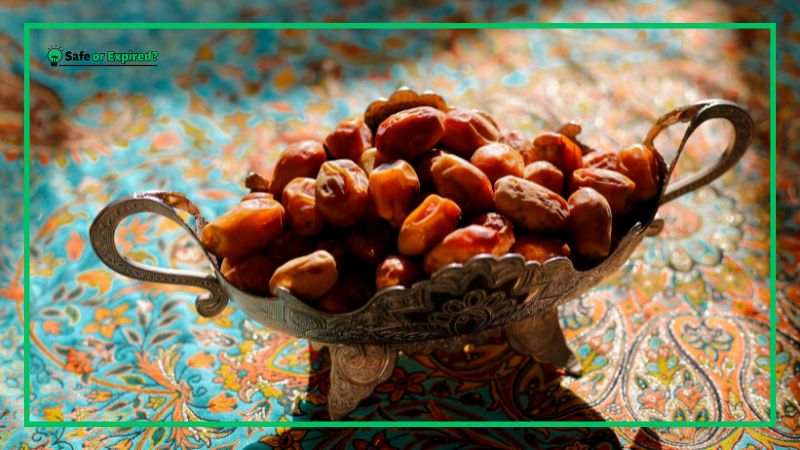
Best Uses for Old Dates That Are Still Safe
Dates that harden or lose some chewiness still work beautifully in many recipes. Age affects texture more than usability.
- Smoothies and shakes: Blending softens texture and distributes sweetness evenly.
- Baking: Chop or puree dates for muffins, energy bars, and cakes where moisture returns during cooking.
- Date paste or syrup: Simmer old dates in water, then blend into a paste for spreads and sweeteners.
- Stuffed dates: Warm slightly to soften before stuffing with nuts or nut butter.
- Chopped additions: Use in oatmeal, granola, or rice dishes where texture variation works in your favor.
As long as dates show no spoilage signs, cooking or blending restores usability.
FAQs
Do Dates Expire If Unopened?
Dates do not expire in a strict safety sense when unopened and stored properly. Quality declines over time, especially if stored warm or humid.
Are White Spots On Dates Mold Or Sugar?
Most white spots come from crystallized sugar, not mold. Mold looks fuzzy or uneven and often comes with a sour smell.
Can Dates Ferment Naturally?
Yes. Fermentation occurs when moisture and warmth combine. Sour smell, bubbling, or liquid seepage signal fermentation and mean the dates should be discarded.
Should Dates Always Be Refrigerated?
Fresh and high-moisture dates benefit from refrigeration. Drier dates can stay in the pantry if humidity stays low, but refrigeration extends shelf life.
Can You Get Sick From Old Dates?
Only if they spoil. Dry, odor-free dates remain safe. Moldy or fermented dates can cause stomach upset and should not be eaten.
Do Dates Lose Nutrients As They Age?
Some vitamins degrade slowly over time, but calories, fiber, and minerals remain largely intact if dates are stored properly.
Conclusion
Dates last a long time because sugar protects them, not because they ignore the laws of food safety. Storage controls everything, from texture to safety.
- Dates lose quality before they become unsafe
- Moisture and heat cause most spoilage
- Refrigeration and airtight storage extend shelf life dramatically
Store dates with intention, trust your senses, and you can enjoy them long after most fruits would have failed.
do dates go bad do dates go bad do dates go bad do dates go bad do dates go bad do dates go bad do dates go bad do dates go bad do dates go bad do dates go bad do dates go bad do dates go bad do dates go bad do dates go bad do dates go bad do dates go bad do dates go bad
