

Lemon curd feels like it should last forever. It is thick, sugary, and aggressively citrusy, which tricks people into thinking it behaves like jam.
Then a jar sits in the fridge a little too long, and doubt creeps in. Is it still fine or quietly plotting food poisoning?
Lemon curd sits in an awkward middle ground.
It borrows sugar and acid from preserves, but it also relies on eggs and butter, which change the rules completely. Knowing how lemon curd actually ages saves you from both unnecessary waste and risky taste tests.
Does lemon curd go bad after all?
Lemon curd does go bad because it contains eggs, butter, and sugar. Homemade lemon curd typically lasts 1 to 2 weeks in the refrigerator, while store-bought versions last longer due to preservatives. Sour smell, mold, or separation that does not mix back in indicates spoilage.
Lemon curd contains lemon juice, sugar, eggs, and butter. Sugar and acid slow spoilage. Eggs and butter speed it up. That combination explains why lemon curd lasts longer than custard but nowhere near as long as jam.
Eggs introduce protein and moisture, which bacteria love. Butter adds fat, which can go rancid over time. Lemon juice lowers the pH, offering some protection, but not enough to make lemon curd shelf-stable. “Storing other dairy-based desserts? See how long cheesecake lasts in the fridge.
This balance places lemon curd firmly in the refrigerated food category. Foods like this rely on cold storage, not preservation chemistry, to stay safe.
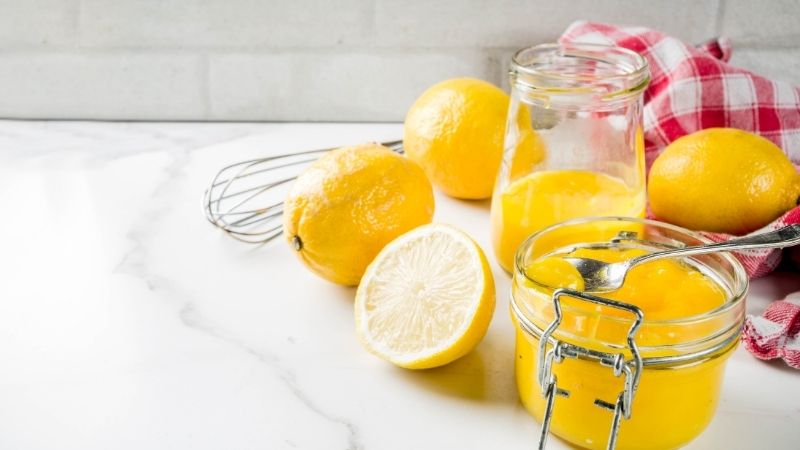
Does Lemon Curd Go Bad or Just Lose Quality?
Lemon curd goes bad. It does not just quietly lose quality.
Quality changes show up first. The flavor may dull, the color may darken slightly, or the texture may thicken. These changes affect enjoyment, not safety.
Spoilage follows a different pattern. Sour or eggy smells, visible mold, or separation that will not mix back in signal bacterial growth. At that point, lemon curd becomes unsafe. Homemade spreads and sauces usually spoil faster too, so check does ranch expire before using an opened jar.”
People often confuse separation with spoilage. A thin layer of butterfat on top can appear during refrigeration. Stirring fixes that. Separation paired with off smells does not.
If you want a broader explanation of how ingredient makeup affects shelf life, our guide on Food Storage and Preservation Techniques connects those dots clearly.
Shelf Life of Lemon Curd (Homemade vs Store-Bought)
How lemon curd is made and packaged changes how long it lasts.
Shelf Life of Lemon Curd
| Type of Lemon Curd | Refrigerator Storage | Quality Notes |
| Homemade | 1 to 2 weeks | No preservatives |
| Store-bought (opened) | 2 to 4 weeks | Stabilizers extend life |
| Store-bought (unopened) | Until printed date | Must remain sealed |
Homemade lemon curd spoils faster because it skips preservatives and often contains more moisture. Store-bought versions benefit from controlled processing and acidity levels.
Once opened, both types follow the same rules. Cold storage slows spoilage, but time still matters.
How to Store Lemon Curd the Right Way
Lemon curd rewards careful storage more than most spreads. Because it contains eggs and butter, small storage mistakes shorten its safe life quickly.
Keep Lemon Curd Cold Without Exceptions
Lemon curd belongs in the refrigerator at all times. Even brief periods at room temperature during serving reduce its remaining shelf life. Repeated warming and cooling accelerates bacterial growth, even if the jar goes back into the fridge afterward.
Use Airtight, Non-Reactive Containers
Glass jars with tight lids work best. Plastic containers can absorb odors and stain, while metal containers may react with the acidity of lemon curd. Always wipe condensation from the lid before resealing.
Protect the Surface From Air Exposure
Air dries the top layer and encourages spoilage. If you store lemon curd in a wide container, press parchment paper or plastic wrap directly onto the surface before sealing the lid.
Use Clean Utensils Every Time
Double dipping introduces bacteria straight into the jar. This single habit accounts for a large percentage of premature spoilage in homemade lemon curd.
Freezing for Long-Term Storage
Freezing lemon curd works very well. Portion it into small airtight containers, freeze once, thaw in the refrigerator, and use within a few days. Avoid refreezing, as texture and safety both suffer.
Read our guide on storing cooked food for a holistic view on storage.
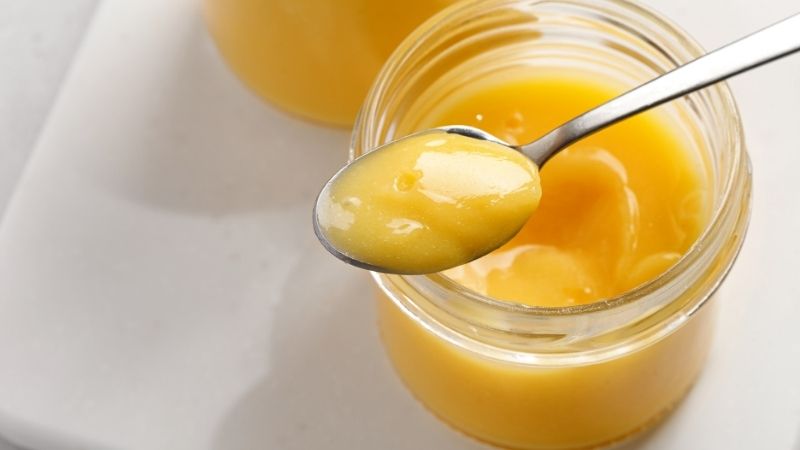
How to Tell If Lemon Curd Has Gone Bad
Lemon curd does not spoil quietly. It gives clear warnings when it crosses from safe to unsafe.
Start with smell. Fresh lemon curd smells bright, citrusy, and slightly buttery. Any sharp sourness, sulfur notes, or eggy odors signal spoilage.
Next, check texture. Lemon curd should feel smooth and cohesive. Graininess, excessive water separation that will not mix back in, or a slimy feel indicate breakdown.
Finally, look closely at the surface and edges.
Egg-based spreads can spoil quickly after opening; here’s an article on does chick-fil-a sauce expire.
Signs Lemon Curd Is Still Safe vs Toss It
| Observation | What It Means | Safe to Eat |
| Slight thickening | Cold storage effect | Yes |
| Butterfat separation | Natural fat settling | Yes |
| Darkening of color | Sugar oxidation | Yes |
| Sour or eggy smell | Bacterial growth | No |
| Mold growth | Active spoilage | No |
| Watery breakdown that will not recombine | Structural failure | No |
If lemon curd triggers doubt, do not taste-test it. Soft foods spread contamination invisibly, and a small bite can still cause illness.
If you want to sharpen your instincts across foods, 9 Common Signs of Spoilage helps distinguish harmless changes from real risk.
Can Lemon Curd Make You Sick When Old?
Yes. Lemon curd can make you sick once it spoils. Eggs and butter put it firmly in the high-risk category when stored too long or handled poorly.
Food safety guidance consistently warns that egg-based, ready-to-eat foods can support the growth of harmful bacteria even under refrigeration. The U.S. Food and Drug Administration explains that refrigerated foods made with eggs should be consumed within strict time limits and discarded when spoilage signs appear.
If lemon curd develops an eggy smell, sourness beyond normal citrus tang, or visible mold, do not taste it. Bacteria and toxins do not announce themselves politely, and a small spoonful can still cause stomach upset or foodborne illness.
Why Lemon Curd Is Not Shelf-Stable According to Food Safety Experts
Lemon curd fails the shelf-stability test for three reasons: moisture, protein, and fat.
Eggs provide protein, butter provides fat, and both hold enough water to allow bacteria to grow. Lemon juice lowers the pH, which helps slow microbial activity, but it does not create the hostile environment needed for long-term preservation.
The National Center for Home Food Preservation explains that low-acid or mixed-ingredient foods containing eggs must rely on refrigeration and have limited storage life.
This is why lemon curd behaves more like custard than jam. Sugar and acid help, but they do not override the risks introduced by eggs.
Best Uses for Lemon Curd Near the End of Its Safe Window
When lemon curd approaches the end of its safe window but still smells fresh and shows no spoilage, using it promptly and intentionally prevents waste.
Heat becomes your ally here. Cooking lemon curd into dishes adds a safety buffer and masks minor texture changes.
- Baking fillings: Swirl into muffins, quick breads, loaf cakes, or coffee cakes where it bakes fully
- Cookie fillings: Use immediately in thumbprint cookies or sandwich cookies that go back into the oven
- Warm sauces: Stir into hot oatmeal, porridge, or rice pudding straight from the stove
- Pancake and waffle toppings: Spoon onto hot surfaces where residual heat helps
- Cheesecake or bar layers: Bake fully rather than using as a no-bake topping
Avoid using near-expiry lemon curd as a cold spread, frosting component, or straight-from-the-jar topping. If heat is not involved, freshness matters more.
Why Lemon Curd Spoils Faster Than Jam Even Though It Looks Similar
Lemon curd often gets mistaken for jam because both are sweet, thick, and stored in jars. The similarity ends there.
Jam relies almost entirely on sugar and acidity to preserve fruit, which creates an environment where bacteria struggle to survive. Lemon curd, on the other hand, introduces eggs and butter, which fundamentally change the equation.
Eggs add protein and moisture, while butter adds fat. Together, they create conditions where bacteria can grow if temperature or hygiene slips even slightly. Lemon juice helps lower pH, but it does not compensate for the risks introduced by eggs.
This is why jam can last months after opening, while lemon curd gets measured in weeks. Treating lemon curd like a preserve leads to most storage mistakes people make. The U.S. Food and Drug Administration explains that refrigerated ready-to-eat foods can support the growth of harmful bacteria when held past safe time limits, even if they look fine.
For a broader look at how moisture and handling accelerate spoilage, our blog on factors affecting food spoilage ties these risks together clearly.
FAQs
How long does lemon curd last in the fridge?
Homemade lemon curd usually lasts 1 to 2 weeks when stored properly. Store-bought lemon curd lasts 2 to 4 weeks after opening. Always rely on smell and texture, not just the calendar.
Can lemon curd spoil before the date on the jar?
Yes. Poor handling, temperature fluctuations, or contamination can cause spoilage well before the printed date.
Is it safe to scrape off mold and use the rest?
No. Lemon curd is a soft food. Mold spreads invisibly through the entire jar. Discard it completely.
Why does lemon curd sometimes taste sharper over time?
Flavor concentration and slight fermentation can increase perceived sourness. Sharp or unpleasant sourness signals spoilage.
Does lemon curd thicken as it ages?
Yes. Cold storage and moisture redistribution can thicken lemon curd. Thickening alone does not mean it has gone bad.
Can you eat lemon curd straight from the freezer once thawed?
Yes, if thawed in the refrigerator and used within a few days. Discard if separation, odor, or texture changes appear.
Conclusion
Lemon curd walks a fine line between preserve and custard. Sugar and acid slow spoilage, but eggs and butter ultimately decide its fate.
- Lemon curd goes bad, not just stale
- Refrigeration extends life but does not make it shelf-stable
- Smell, mold, and irreversible separation always mean discard
When lemon curd raises doubts, do not negotiate. Make a fresh batch and enjoy it without worry.
