

You’ve probably found an old box of tea in your pantry and wondered, “Does tea expire?”
I’ve been there, too. It’s easy to assume dried leaves last forever, but tea’s freshness does fade.
In this post, I’ll walk you through everything you need to know—how long tea really lasts, when it’s still good, and when to toss it.
Does Tea Expire? All You Need To Know!
Yes, tea can expire, but not in the same way as perishable foods. Most tea doesn’t spoil, but it does lose flavor, aroma, and health benefits over time. Proper storage helps extend shelf life. Look for signs like mold, off smells, or loss of taste before drinking.
Understanding Tea Expiration
When people ask “Does tea expire?”, they usually mean two things:
- When does tea become unsafe to drink?
- When does tea lose quality—flavor, aroma, strength?
Tea is a dried product, so unlike dairy or meat, it rarely becomes dangerous under normal storage.
But over time, the compounds that make it smell and taste fresh will break down.
Manufacturers often print a “best by” or “use by” date—this is about peak quality, not a strict safety deadline. Read more on the food expiration labels.
Does Tea Really Go Bad?
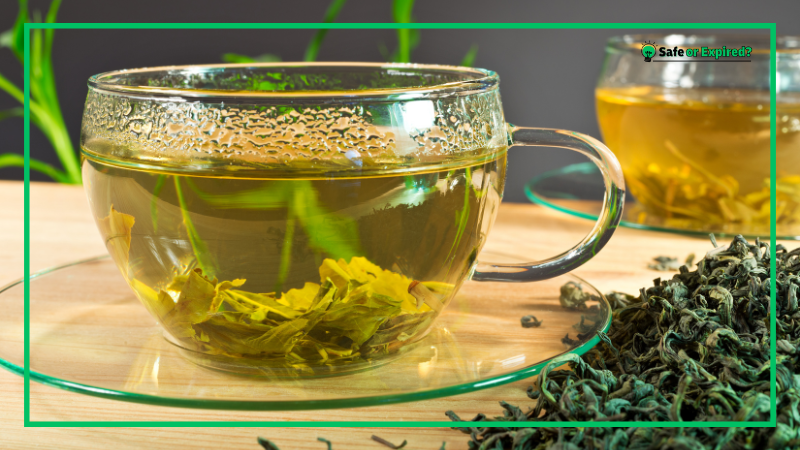
Tea doesn’t typically spoil like perishable food, but it can go stale. In most cases, even “expired” tea is still safe to drink unless it shows signs of mold, moisture damage, or contamination.
Many tea lovers and home cooks note that tea bags past their labeled date still brew a drinkable cup—just not as vibrant.
That said: if tea was improperly stored (exposed to humidity, light, or pests), it might develop mold or off‑odors, and then it should be discarded.
So yes—tea “expires” in the sense of losing its peak flavor and freshness, but it doesn’t necessarily become unsafe immediately after a date passes.
Shelf Life of Different Types of Tea
Here’s how long various tea types tend to stay good, under ideal storage:
Prefer coffee? See how long coffee lasts, signs it’s gone stale, and the best storage method.
NOTES & CAVEATS

These are estimates under ideal conditions. Real results depend heavily on how the tea is stored.

Blended teas (fruit, floral, nut, spices) often degrade faster because essential oils and volatile compounds fade more quickly.

In sealed, vacuum, or nitrogen-flushed packaging, some teas can last longer than “typical” shelf life.
Factors That Affect Tea’s Freshness
Several environmental and processing factors influence how quickly tea loses its quality:
- Air / oxygen exposure: Oxygen breaks down flavor compounds and encourages oxidation.
- Moisture / humidity: Tea is hygroscopic (absorbs water). Too much moisture can lead to mold or accelerated staling.
- Light / UV exposure: Light triggers breakdown of aromatic compounds and color changes.
- Heat / temperature fluctuations: Warm temperatures speed chemical reactions degrading tea.
- Packaging & container: Opaque, airtight, odor-impermeable containers slow degradation.
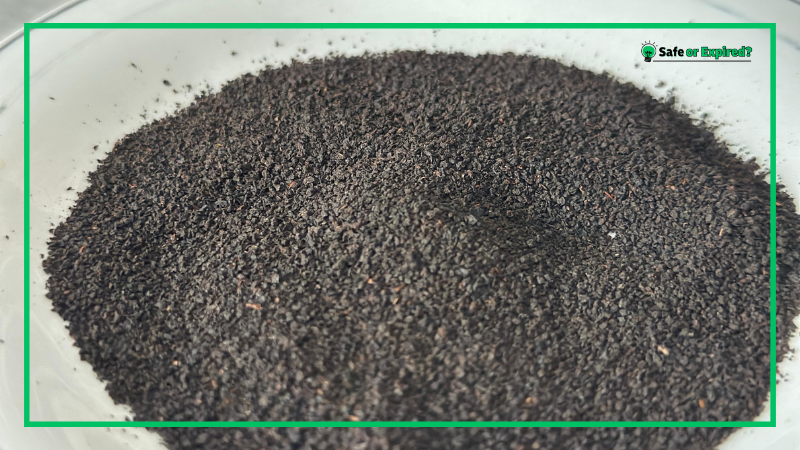
- Leaf size / cut / broken particles: More broken or crushed leaves (as in many tea bags) have more surface area exposed, so they age faster.
- Additives / essential oils / flavorings: Teas with extra oils, spices, fruit bits degrade faster than pure leaf because the added compounds are more volatile.
Because of these factors, two identical teas can behave differently depending on how they’re stored.
Read more on Food Preservation & Storage Tips.
How to Tell if Tea Has Gone Bad?
You can use your senses to judge whether tea is past its prime:
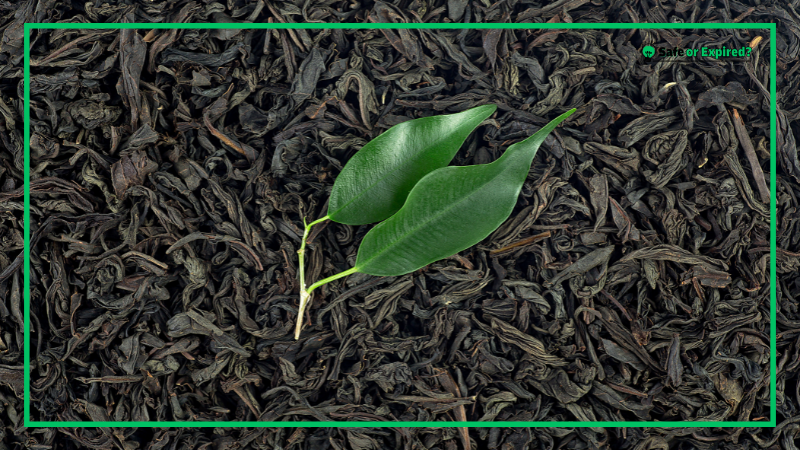
- Smell / aroma: Fresh tea should have a distinct aroma. If it smells faint, musty, stale, or “flat,” it has likely degraded.
- Color of leaves / appearance: Leaves should look vibrant and intact. Dull, faded, broken or discolored leaves can indicate age or damage.
- Clumping / moisture / texture: Leaves sticking together, feeling slightly damp, or showing signs of condensation or clumps may have absorbed moisture.
- Mold / foreign growth: Visible mold, fuzz, or any unexpected spots are red flags—discard immediately.
- Taste / brew test: Brew a small cup. If the flavor is weak, dull, or “flat” instead of lively and aromatic, the tea is past its best.
- Loss of strength over steeps: If even with longer steeping you can’t get the usual flavor, that suggests the tea’s compounds have degraded.
If you’re ever uncertain, sensibly discard teas that don’t smell right or show signs of spoilage.
Read more on Common Signs of Spoilage.
What Happens When You Drink Expired Tea?
The most immediate effect is a weaker, flatter brew—not the vibrant cup you’re used to.
- Lowered potency / antioxidants: Over time, compounds like polyphenols, catechins, and volatile oils break down, so the health‑benefitting aspects might diminish.
- No typical health risks (unless spoiled): If no mold, moisture damage, or contamination, expired tea is usually safe to drink.
- Possible off‑flavors: Some teas might develop odd or stale notes if stored poorly.
- Wasted experience: You won’t get as much enjoyment from older tea—if clarity, aroma, or body are gone, you’re missing the character of that brew.
In short: expired tea is mostly a quality issue rather than a safety issue, so long as it’s been stored well and shows no signs of spoilage.
Tips to Extend the Shelf Life of Tea
Want to keep your tea fresh as long as possible? Here are the golden rules:
- Use airtight containers: Tins or glass jars with rubber seals are ideal. Avoid porous materials or paper bags.
- Keep tea in the dark: Light, especially sunlight, degrades flavor. Use opaque containers or store in a cabinet.
- Store in a cool, dry place: The pantry or a cabinet away from your stove is best. Humidity ruins tea faster than anything.
- Avoid temperature swings: Don’t store tea near ovens, dishwashers, or windows. Fluctuations increase oxidation.
- Don’t refrigerate or freeze dry tea: Moisture is the enemy. Unless vacuum-sealed, cold storage can introduce condensation.
- Label your tea: If you buy loose tea, write the purchase date on the container so you can track its age.
By following these tips, you can extend tea’s usable life by months—or even years. Read more on Food Shelf Life.
Brewed Tea vs. Dry Tea: Which Expires Faster?
Once tea is brewed, its clock starts ticking. Here’s what you should know:
- Brewed tea lasts about 4–8 hours at room temp and 3–5 days in the fridge (in a sealed jar or pitcher).
- After 24 hours, brewed tea starts losing flavor and may grow bacteria.
- Sweetened or flavored tea spoils faster, especially with milk or fruit added.
- Cold brew tea lasts slightly longer due to the slower infusion process, but even then—max 5 days in the fridge.
So while dry tea lasts months or years, brewed tea expires quickly and should be consumed soon after making it.
Do Tea Bags Expire Faster Than Loose Leaf?
Surprisingly—yes. While tea bags are convenient, they have drawbacks:
- More exposed surface area: The crushed leaves in tea bags oxidize faster than whole leaf tea.
- Cheaper material: Many bagged teas use lower-quality leaves or fannings that degrade quicker.
- Paper wrappers or non-airtight packaging: Often not sealed well, which lets in air and moisture.
Loose leaf teas, especially in sealed tins or bags, tend to last longer than mass-produced tea bags.
That said, premium brands like Twinings or Tazo with sealed pouches hold up better than cheaper supermarket teas.

Special Cases: Expired Herbal, Fruit, or Medicinal Teas
Not all teas are created equal. Herbal blends, fruity infusions, and teas with medicinal herbs deserve extra care:
- Ingredients like dried fruit, nuts, or citrus peel can go rancid faster than tea leaves.
- Essential oils in flavored blends evaporate quickly, leaving them bland.
- Medicinal teas (chamomile, valerian, peppermint, etc.) lose their potency over time, meaning you won’t get the same benefits.
- Some dried herbs can even develop mold if stored poorly.
For these, it’s best to stick closer to the “best by” date or keep them under 12 months for peak freshness.
Wondering how long does coffee mate last? Read here.
Creative Uses for Expired Tea
Don’t toss old tea just yet! Here are some clever ways to reuse stale or expired tea:
Compost: Tea leaves add nitrogen to compost piles. Just remove the bag staples if composting bags.
Natural deodorizer: Place dry tea bags in shoes, drawers, or the fridge to absorb odors.
Cleaning aid: Brew strong old tea to wipe windows or wood surfaces—tannins help cut grease.
Soothing bath soak: Steep old tea in your bath for a skin-calming soak. Green and chamomile work best.
Plant fertilizer: Used tea leaves enrich soil—especially for acid-loving plants like roses or ferns.
DIY crafts: Tea-stained paper or fabric has a lovely vintage look!
Even if your tea is past sipping quality, it still has value.
FAQs
Can Tea Go Rancid?
Yes, especially herbal teas with oils, nuts, or fruit. They can develop a sour or musty smell.
Can Expired Tea Make You Sick?
Unlikely—unless it has visible mold, smells off, or was stored in humid conditions. Always inspect before use.
Can You Revive Stale Tea?
Not fully, but cold brewing can sometimes extract more subtle flavors from older tea.
What If Tea Smells Fine But Tastes Flat?
It’s likely lost its essential oils and antioxidants. It’s not harmful, just less satisfying.
Should I Throw Away Tea Past Its “Best By” Date?
Not necessarily. Smell it, brew it, and if it still tastes good—it’s fine! If not, repurpose it.
Can Tea Expire If Unopened?
Yes—unopened tea can still lose quality over time. However, sealed packages stay fresh much longer, especially when stored in a cool, dark place.
Does Green Tea Expire Faster Than Black Tea?
Yes, green tea and herbal blends degrade faster due to their delicate oils and lighter oxidation levels.
Can I Drink 5-Year-Old Tea?
If it smells clean and brews a decent cup, sure! It won’t hurt you, but it might not taste amazing. Use it for compost or cleaning if it’s too flat.
How Do I Store Tea To Make It Last Longer?
Use airtight, opaque containers in a dry, cool space—away from light, heat, and moisture. This preserves its flavor and keeps it from going stale.
Is It Safe To Drink Expired Herbal Tea?
Yes, usually. But be extra cautious with teas containing fruit, nuts, or flowers—they’re more prone to spoilage or going rancid over time.
Conclusion
So, does tea expire? Technically—no, not in the way milk or bread does.
But its flavor, aroma, and health perks definitely fade with time. As long as it’s been stored properly and shows no signs of mold, most tea is still safe to drink well past its best-by date.
Just remember: if it smells funky or tastes dull, trust your senses. And hey, even if it’s past sipping prime, old tea still has tons of creative uses.
So go ahead—check that tea stash, give it a sniff, and brew with confidence.
