Baking & Baked Goods


Baking ingredients and baked goods can last longer than fresh foods, but they do not all age the same way.
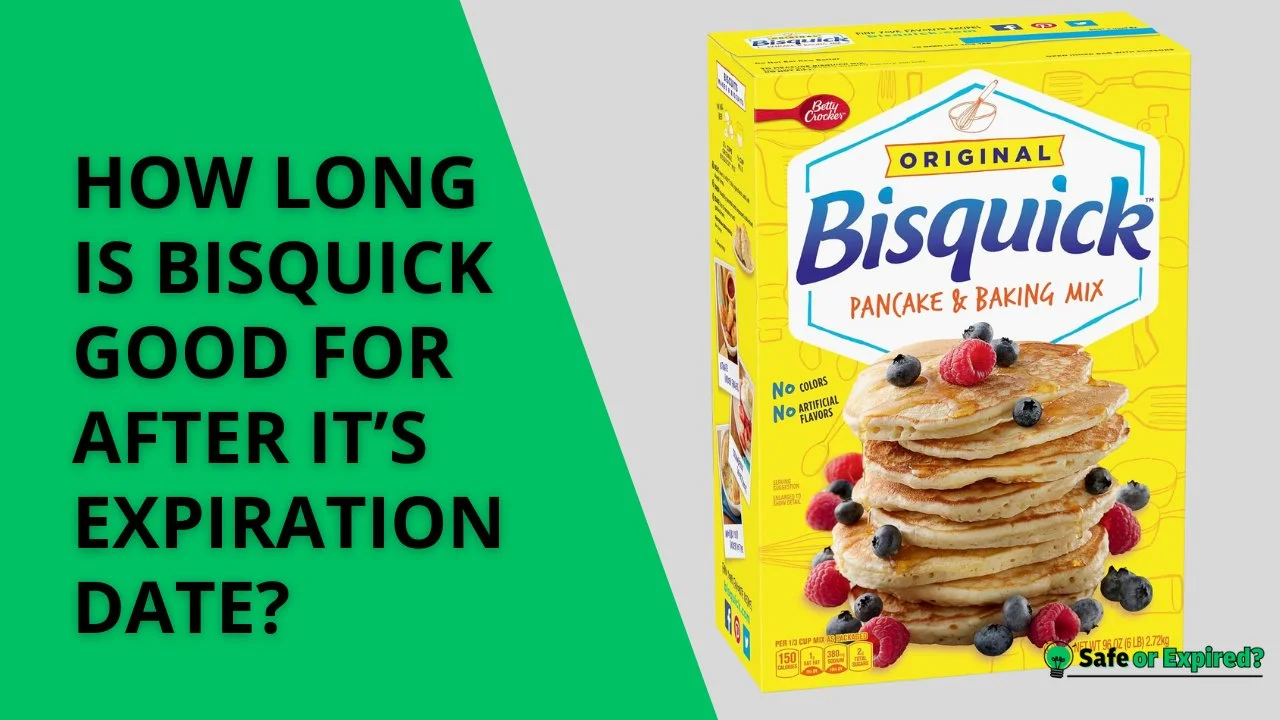
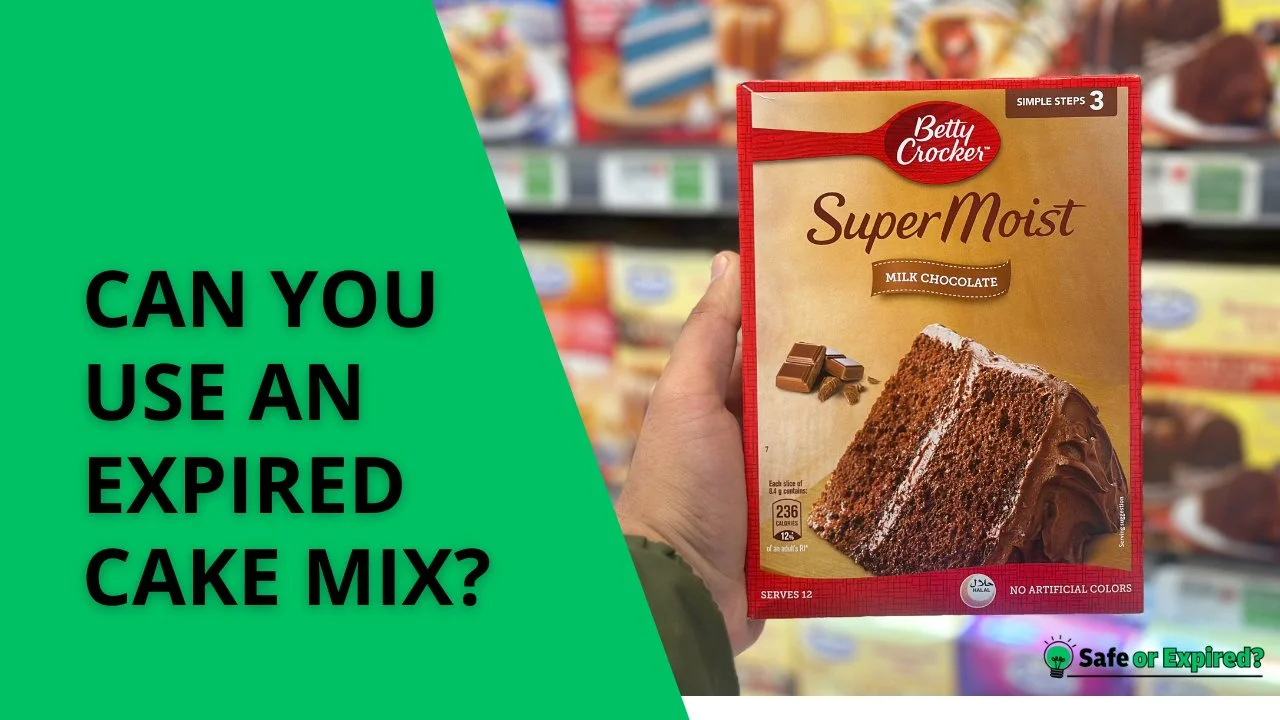
From cake mix, Bisquick, baking powder, yeast, cream of tartar, and icing sugar to refrigerated dough, sprinkles, cheesecake, and other baked items, shelf life depends on moisture, storage conditions, packaging, and whether the product is dry, refrigerated, or already baked. Some products mainly lose performance over time, while others become stale, soggy, moldy, or unsafe if stored poorly.
This page brings together practical guides on baking and baked goods shelf life, storage, expiration dates, and spoilage signs. You will find clear answers on how long different baking ingredients and baked foods last, how to store them properly, how to tell when they are still usable, and when it is better to throw them out.
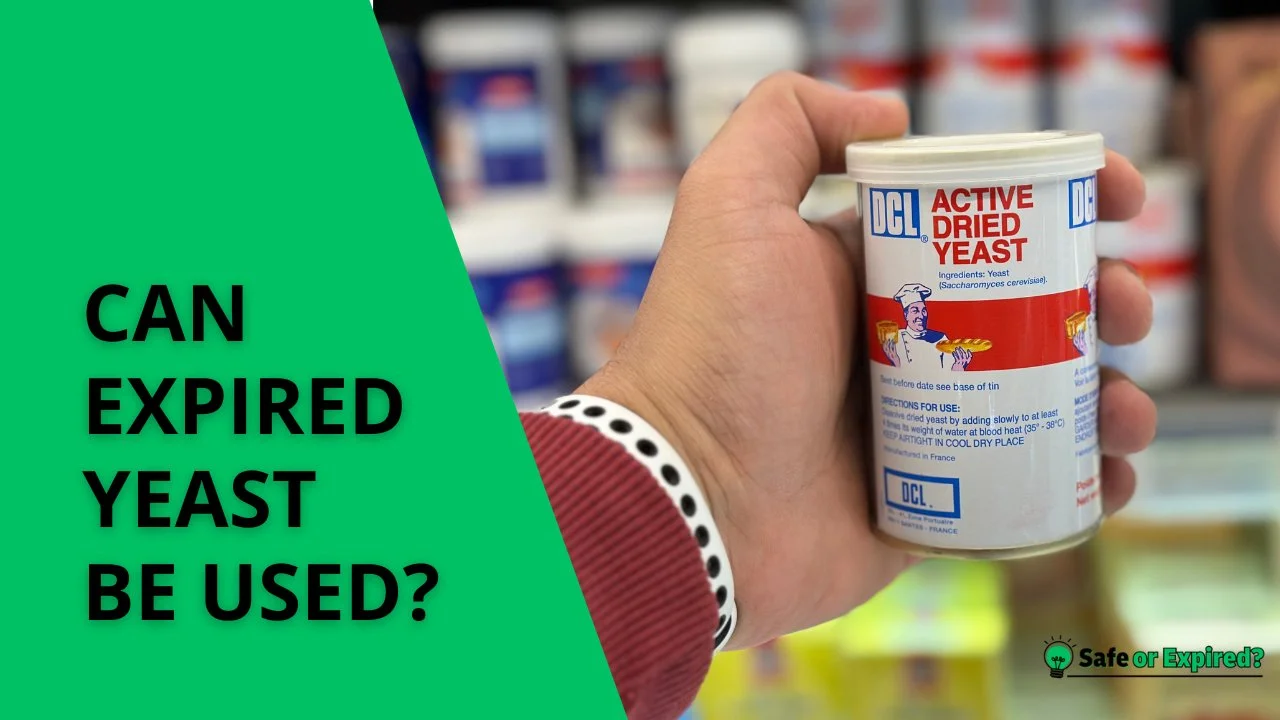
Whether you are checking an old box of cake mix, testing yeast, or deciding if refrigerated dough or cheesecake is still good, these guides will help you make a better call.
Not all baking products go bad in the same way. Dry ingredients like baking powder, cream of tartar, icing sugar, Bisquick, and cake mix often fail by losing freshness or performance first. Yeast can stop working even before it looks obviously bad. Refrigerated dough has a shorter usable window and depends heavily on cold storage. Baked desserts like cheesecake behave more like perishable prepared foods and need tighter refrigeration. Your existing articles already reflect these differences clearly.
Yes. Many dry baking ingredients last a long time, but they still lose quality, potency, or freshness over time. That is especially true for leavening agents and yeast.
Sometimes. Some dry products may still be usable past the printed date if stored properly, but performance can decline. This matters more for products like yeast, baking powder, cake mix, and Bisquick than for simple dry sugar products.
Some do. Shelf-stable dry mixes usually do not, but refrigerated dough and perishable baked goods like cheesecake need cold storage.
Look for clumping from moisture, loss of potency, off smell, mold, unusual texture, stale taste, discoloration, or obvious spoilage in refrigerated products.
Dry, sealed pantry ingredients usually last the longest. Refrigerated dough and moisture-rich baked goods decline much faster.
If you are unsure whether a baking ingredient or baked good is still worth using, start with the specific guides linked on this page. Each article explains shelf life, storage, spoilage signs, and when it is better to toss it.