
Grains
Grains usually last longer than fresh foods, but they do not last forever.
From quinoa and cornmeal to lentils, grits, crackers, and other dry pantry staples, shelf life depends on moisture, packaging, fat content, and storage conditions. Some grains and grain-based foods stay usable for years when stored properly, while others lose freshness faster or spoil if exposed to heat, humidity, or air.
This page brings together practical guides on grain shelf life, storage, expiration dates, and spoilage signs. You will find clear answers on how long different grains and grain-based foods last, how to store them properly, how to spot spoilage, and when it is better to throw them out.
Whether you are checking an old pantry bag or a half-open box in the cupboard, these guides will help you make a better decision.
What You’ll Learn About Grains
- How long common grains and grain-based foods last unopened and after opening
- Which grain products are most sensitive to moisture and rancidity
- The most common signs grains have gone bad
- When expired grains may still be fine and when they should be discarded
- How storage conditions, oils, and packaging affect shelf life
Popular Grain Guides
- Can Quinoa Expire?
- Does Cornmeal Expire?
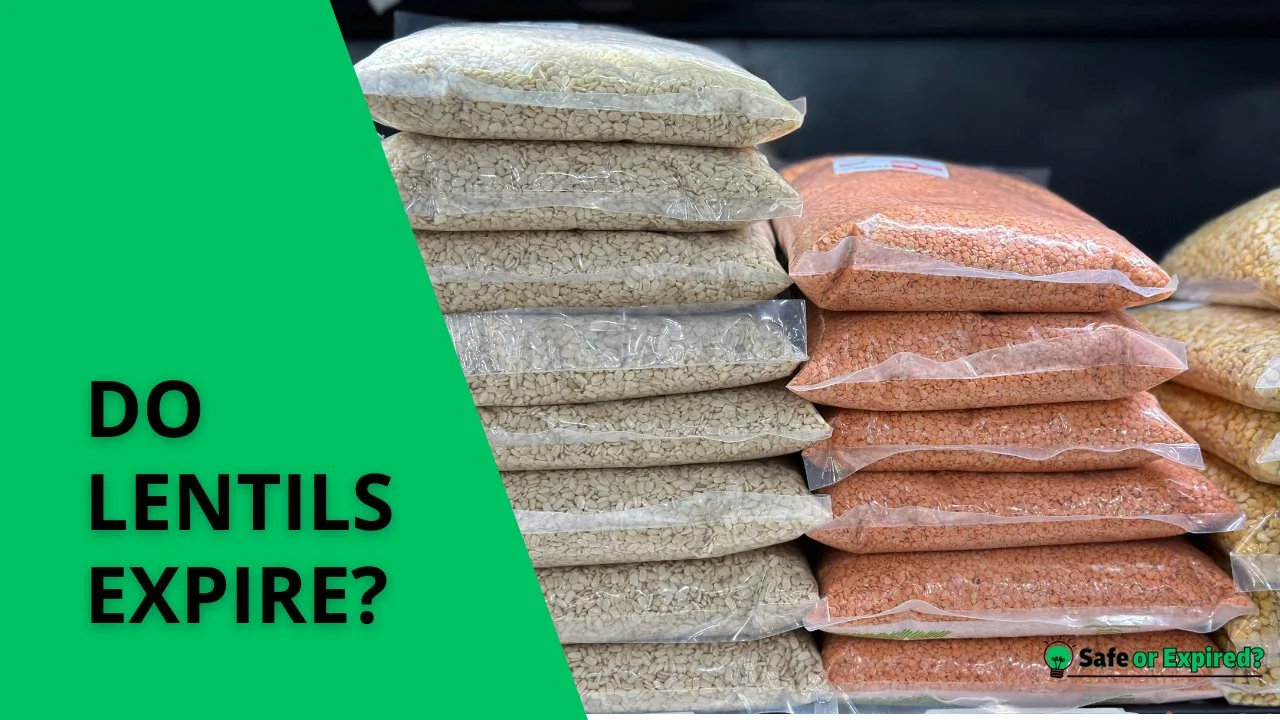
- Do Lentils Expire?
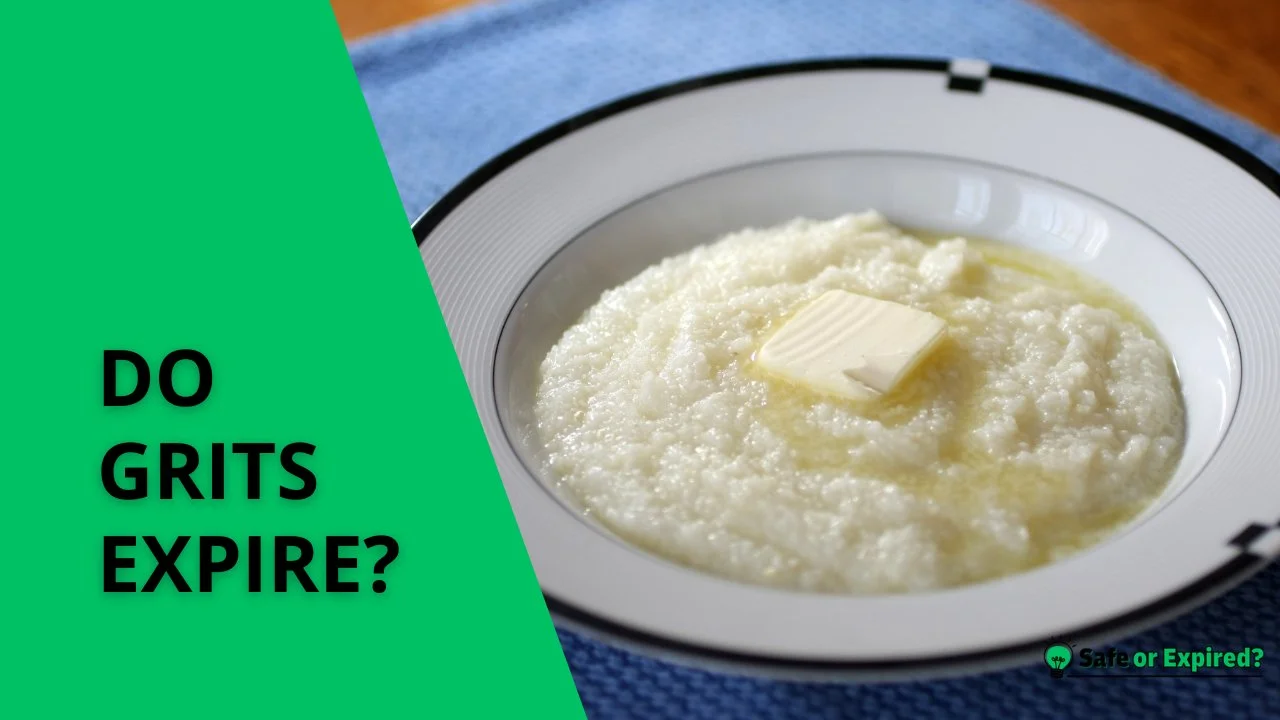
- Do Grits Expire?
- Do Saltine Crackers Expire?
Not all grains go bad in the same way. Dry whole grains and pulses often last a long time but can absorb moisture or attract pests if stored poorly. Grain meals and grain-based products with more fat, such as cornmeal or crackers, can go rancid faster. Cooked grains spoil much more quickly than dry pantry grains. Your existing quinoa, cornmeal, lentils, grits, and cracker content already reflects these differences.
Frequently Asked Questions About Grains
Do grains expire?
Yes. Many dry grains last a long time, but they still lose quality over time and can eventually spoil if exposed to moisture, air, pests, or heat.
Do grains need refrigeration?
Usually no for dry, unopened pantry grains. Most keep best in a cool, dry, airtight container. Cooked grains, however, should be refrigerated promptly.
Can you eat grains after the expiration date?
Sometimes. Many dry grains remain usable after the printed date if stored properly and free from spoilage signs, but quality may decline first.
What are common signs grains have gone bad?
Look for mold, dampness, clumping, off smell, discoloration, bugs, rancid odor, or stale taste.
Which grain foods last the longest?
Dry, sealed, low-moisture grains and pulses usually last the longest. Cooked grains and more processed grain foods with oils or fats tend to decline faster.
Helpful Food Safety Guides
- Food Storage and Preservation Techniques
- Food Shelf Life
- 9 Common Signs of Spoilage
- Expiration vs Best By Dates
- Factors Affecting Food Spoilage
- Food Quality vs Food Safety
If you are unsure whether a grain product is still good, start with the specific guides linked on this page. Each article explains shelf life, storage, spoilage signs, and when it is better to toss it.
Grains

Humza Zubair
April 3, 2024
Grains
Humza Zubair
April 2, 2024