Nuts and seeds can last a long time, but their natural oils make them more delicate than many people realize.
From almonds and peanuts to pecans, pistachios, pumpkin seeds, chia seeds, sesame seeds, and chestnuts, shelf life depends on oil content, moisture, packaging, and storage conditions. Some nuts and seeds stay good for months or longer, while others lose freshness quickly or turn rancid if exposed to heat, air, or light.
This page brings together practical guides on nut and seed shelf life, storage, expiration dates, and spoilage signs. You will find clear answers on how long different nuts and seeds last, how to store them properly, how to spot rancidity or spoilage, and when it is better to throw them out.
Whether you are checking an old pantry bag, an opened snack pack, or seeds stored in the fridge, these guides will help you make a better decision.
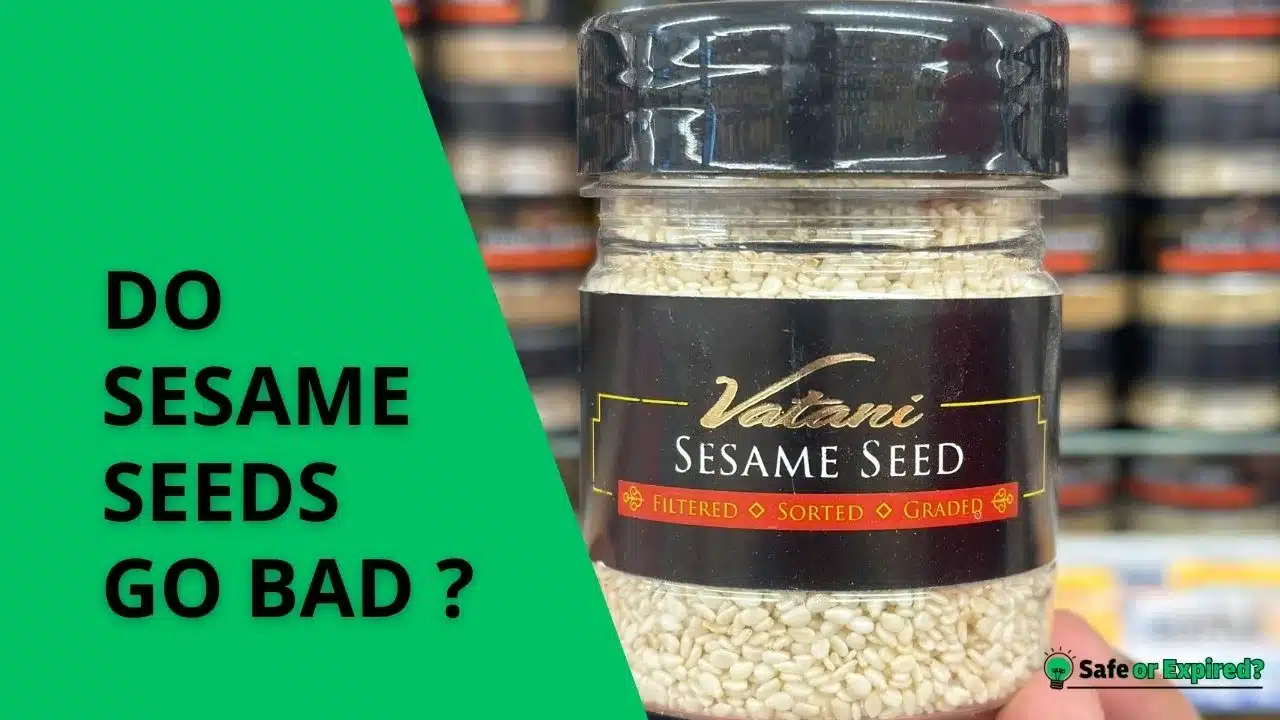
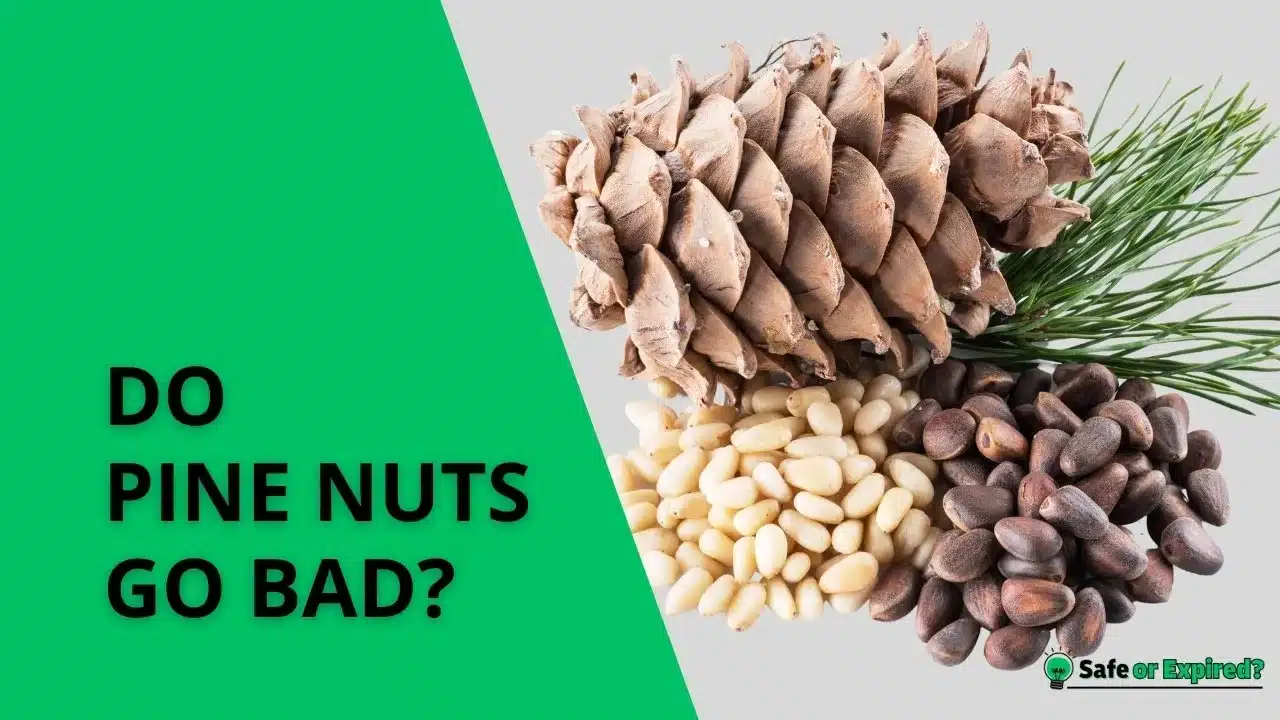
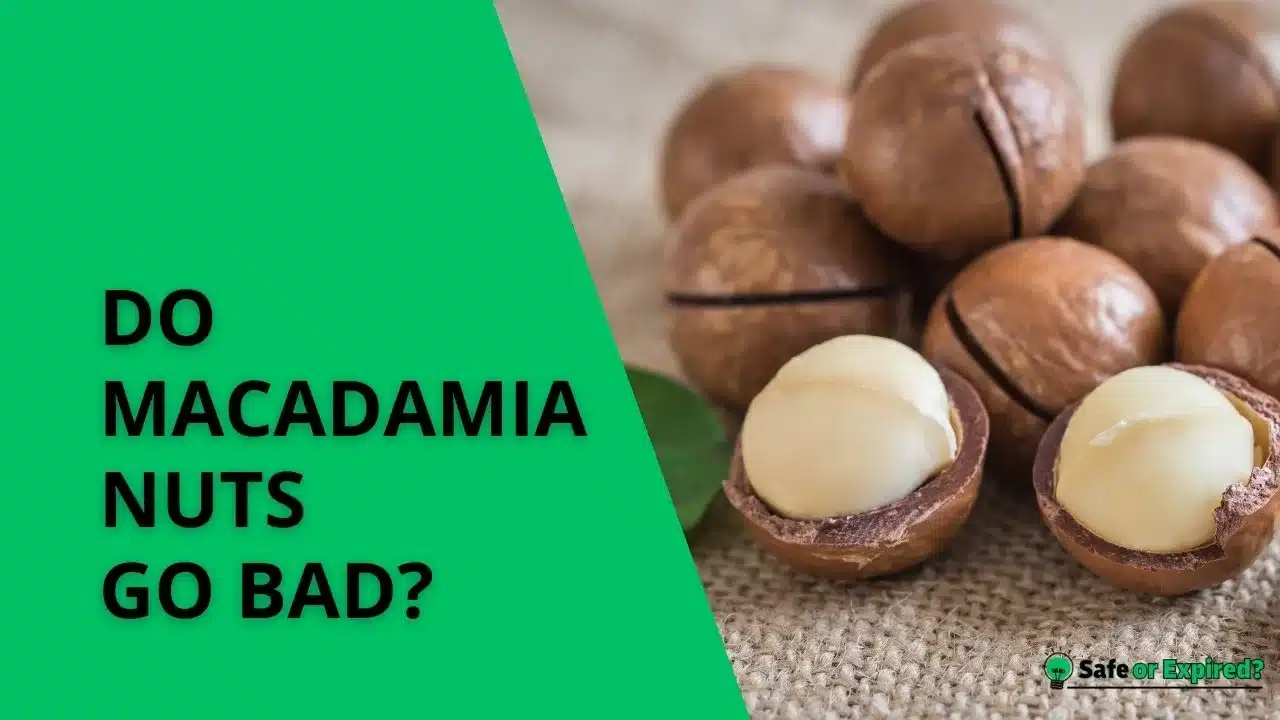
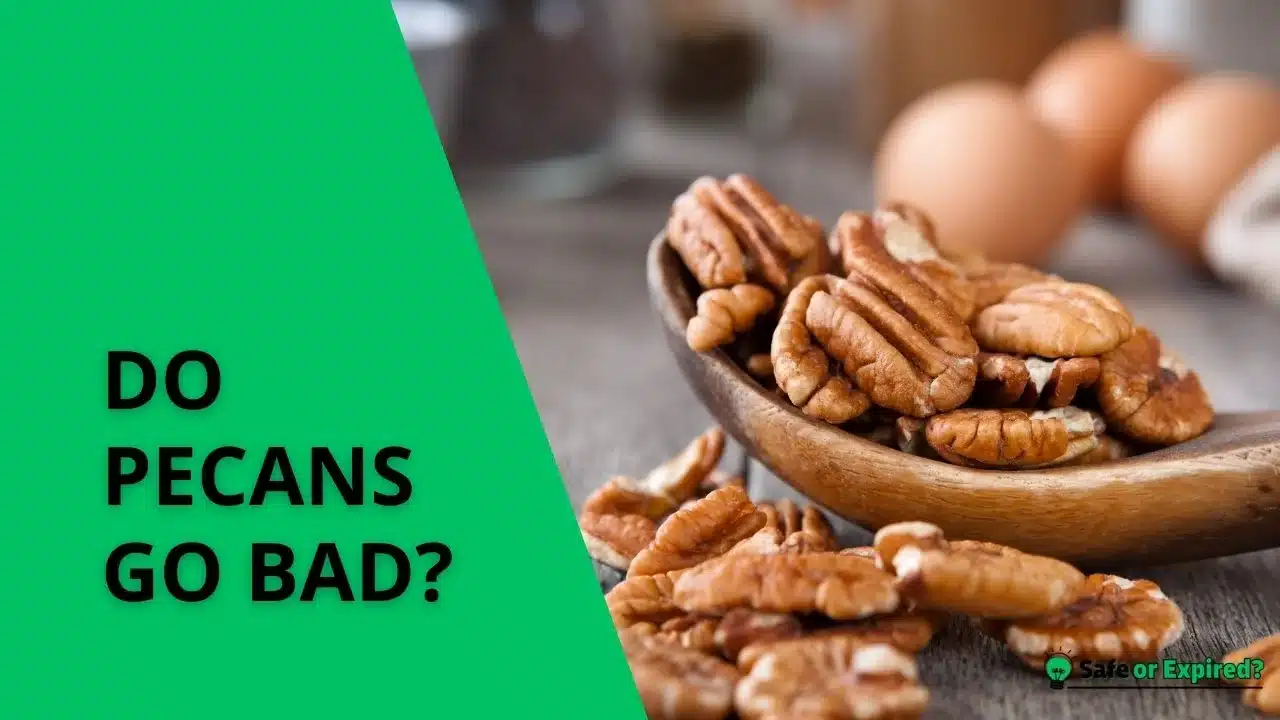
Not all nuts and seeds go bad in the same way. High-fat nuts like pine nuts, pecans, pistachios, and macadamias are especially prone to rancidity, while seeds can lose freshness or develop moisture damage if stored poorly. Chestnuts are different again because they are more perishable than dry nuts. That is why smell, taste, texture, and storage conditions matter more here than the printed date alone. Your existing almond, peanut, pecan, pistachio, pumpkin seed, sesame seed, chia seed, and chestnut articles already reflect those differences.
Yes. Many nuts and seeds last a long time, but they still lose quality over time and can eventually go rancid or spoil if exposed to air, moisture, light, or heat.
Not always, but refrigeration often helps extend shelf life, especially after opening or in warm climates. Several of your existing nut and seed pages note longer fridge life than pantry life.
Sometimes. Many are still usable if stored properly and free from rancid smell, mold, moisture damage, or pests. Quality loss usually comes before obvious spoilage.
Look for rancid or bitter smell, stale taste, discoloration, mold, clumping, softness, sliminess, or insect activity. Those spoilage patterns appear repeatedly across your pumpkin seed, pecan, sesame seed, and chestnut coverage.
Dry, sealed nuts and seeds stored in cool conditions generally last the longest, while high-fat nuts and moister products decline faster. Your existing macadamia, pistachio, pumpkin seed, and sesame seed content follows that pattern.
If you are unsure whether nuts or seeds are still good, start with the specific guides linked on this page. Each article explains shelf life, storage, spoilage signs, and when it is better to toss them.