
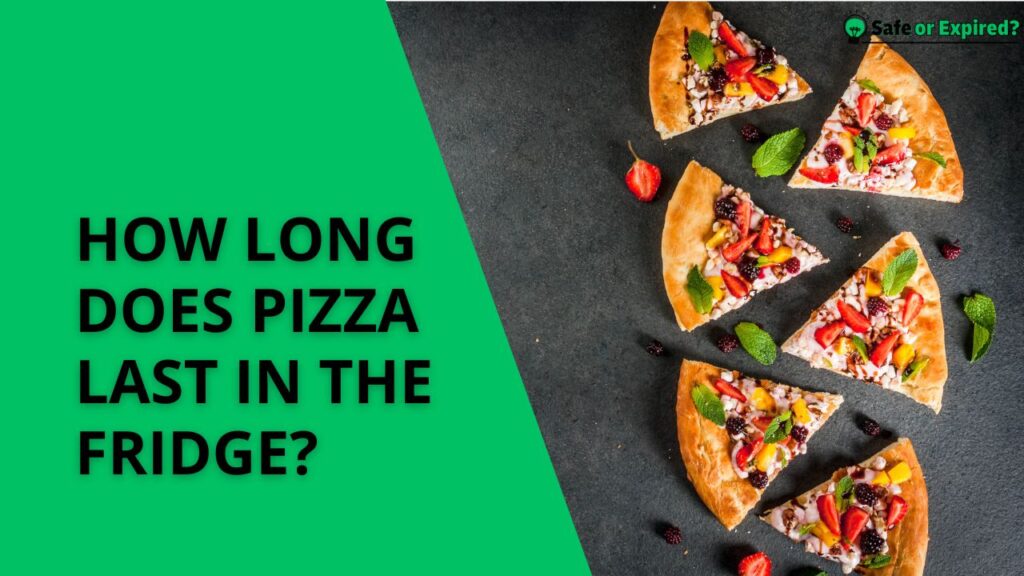
Let’s be honest — if pizza were a currency, we’d all be rich… in leftovers. But while your taste buds say “just reheat it,” your stomach might disagree if that slice’s been lurking in the fridge a little too long.
So, how long is pizza actually safe to eat after it’s cooled down and joined your condiment collection in the fridge?
Whether it’s homemade, delivery, or frozen, this guide will give you the cold, cheesy truth about how long your pizza stays edible, how to store it like a pro, and when it’s time to toss the box and back away slowly.
How Long Does Pizza Last In The Fridge?
Pizza typically lasts 3 to 4 days in the fridge. Homemade and delivery pizzas should be refrigerated within 2 hours and eaten within 3–4 days. Pizzas with meat or seafood toppings may spoil faster. Store leftovers in airtight containers to prevent drying out or bacterial growth.
Pizza Shelf Life by Type: How Long Is Too Long?
Not all pizza lives the same life span in your fridge. Factors like crust type, sauce, toppings, moisture content, and how it was stored all play a role.
For example, cheese-only pizzas can last longer than a meat-lover’s special packed with pepperoni, sausage, and bacon — all of which spoil faster due to their high fat and protein content. Learn the difference between Best-By and Expiration Dates.
Here’s a breakdown of how long different types of pizza safely last in the fridge:
| Pizza Type | Safe Fridge Life | Storage Notes |
| Homemade Pizza | 3 to 4 days | Shorter shelf life due to lack of preservatives |
| Delivery/Takeout Pizza | 3 to 4 days | Often contains processed meats, so storage quality matters |
| Leftover Frozen Pizza | 3 to 4 days | Once cooked, treat like homemade or delivery |
| Meat Toppings (e.g., sausage, pepperoni) | 1 to 2 days | Higher risk of spoilage; should be eaten quickly |
| Vegetarian/Vegan Pizza | Up to 5 days | May last longer if dairy-free and stored well |
According to the USDA, leftover cooked food, including pizza, should be eaten within 3 to 4 days to avoid foodborne illness.
TL;DR: The pizza you forgot in the fridge for a week? It's not a snack. It's a science experiment.
How to Store Pizza in the Fridge (Without Sad Soggy Crust)
There’s a right way and a wrong way to store pizza. Tossing the cardboard box straight into the fridge? That’s the wrong way. The box doesn’t seal, it lets air and moisture in, and it turns your crust into a cold, chewy sponge while perfuming your fridge with oregano for days.
Here’s how to store your leftover pizza like a pro:
✅ Best Ways to Store Pizza in the Fridge:
1. Use Airtight Containers
Place slices in a shallow, sealable container. This keeps out air and moisture, locking in both flavor and texture.
2. Stack Slices With Parchment Paper
Layer slices between sheets of parchment paper to prevent them from sticking to each other. This is great for saving space if you have several slices.
3. Wrap Tightly If No Container Is Available
Use plastic wrap to cover each slice tightly, then wrap it again in aluminum foil. This double barrier minimizes air exposure and freezer burn if you decide to freeze it later.
4. Store in the Back of the Fridge
Keep your pizza on a middle or bottom shelf, not the door. The back of the fridge is more temperature-stable — and bacteria love warm spots.
Read our guide on storing cooked food.
| Storage Method | Fridge Life | Crust Quality | Protection Level |
| Airtight container | 3–4 days | Excellent | High |
| Wrapped in plastic + foil | 2–3 days | Good | Moderate |
| Left in cardboard box | 1–2 days | Poor | Low — absorbs moisture |
Bonus Tip: Never pile hot pizza straight into the fridge. Let it cool for 15–20 minutes to avoid raising fridge temperature (and ruining other food).
Can You Eat 5-Day-Old Pizza?
Ah yes, the infamous fifth-day slice. Is it a delicious second chance or a stomachache waiting to happen?
Here’s the scoop: eating pizza after 5 days in the fridge is generally not recommended. Even if it looks okay and smells okay, bacteria like Listeria monocytogenes and Staphylococcus aureus can thrive in cooked food that’s been stored too long — and they don’t always come with obvious warning signs.
Risk Factors
- Storage quality: Was it sealed tightly or chilling open in the box?
- Toppings: High-protein toppings like sausage, chicken, or pepperoni spoil faster.
- Fridge temp: If your fridge runs warm (above 40°F), spoilage accelerates.
The USDA advises discarding perishable leftovers (like pizza) after 3 to 4 days, regardless of how good they look. Read more on factors affecting food spoilage.
What if You Still Want to Eat It?
If you’re going to roll the dice:
- Heat the pizza to 165°F (internal temp) to kill most pathogens
- Avoid eating it cold — especially with meats or dairy-based sauces
- Don’t serve it to kids, pregnant women, or anyone immunocompromised
Verdict: Day 5 pizza is like skydiving with a questionable parachute. Technically possible, but do you really want to risk it?
Signs Your Pizza Has Gone Bad
Pizza doesn’t come with a mood ring. You’ll need to check it out like a detective. Use your senses — smell, sight, touch — and a little common sense.
Common Spoilage Signs
| Sign | What It Means | Safe? |
| Sour or “off” smell | Bacterial growth or rancid oils | ❌ No |
| Slimy or sticky toppings | Moisture from spoilage — bacteria is likely | ❌ No |
| Mold (white, green, black) | Spore contamination — spreads quickly | ❌ No |
| Hard-as-rock crust | Dehydration — safe, but stale | ✅ Yes |
| Discoloration of cheese | Oxidation or fat breakdown | ❌ No |
If even one slice has visible mold, don’t just throw it out — toss the whole batch. Mold can spread invisibly between slices. Read details on 9 Common Signs of Spoilage.
How Long Does Pizza with Toppings Last?
The toppings you choose don’t just affect flavor — they directly impact how long your pizza stays safe in the fridge.
Why? Because ingredients like pepperoni, sausage, chicken, or veggies each spoil at different rates. Add moisture, fat, and protein into the mix, and you’ve got a ticking time bomb of bacterial growth if you’re not careful.
Read Food Storage and Preservation Techniques that will make your life easy.
Here’s how common pizza toppings affect fridge life.
| Topping Type | Shelf Life (Fridge) | Risk Level | Why? |
| Plain Cheese | 3–4 days | Low | Lower moisture, fewer variables |
| Pepperoni/Sausage | 1–2 days | High | Processed meats spoil faster once cooked and exposed |
| Chicken | 1–2 days | High | Cooked poultry is sensitive to bacteria like Salmonella |
| Vegetables (mushrooms, onions, etc.) | 2–3 days | Medium | High moisture can lead to sogginess and spoilage |
| Seafood (shrimp, anchovies) | 1 day | Very High | Spoils extremely fast — eat or toss within 24 hours |
| Vegan/Dairy-Free | Up to 5 days | Low | No animal products = less spoilage risk |
🧠 Fun fact: Toppings like raw mushrooms or fresh spinach may cause pizza to spoil faster than it would with just cheese. They release water, promoting mold and bacterial growth.
So if your pizza is loaded with meat or seafood, aim to finish it within 1–2 days, even if the crust still looks fine.
6. Reheating Pizza: Safety Tips and Flavor Wins
Let’s say your pizza passed the fridge test — now it’s time to reheat it. But do it wrong, and you’re either biting into a rubbery cheese-tire or nuking away all its flavor.
But there’s more at stake than texture. Reheating is your second line of defense against foodborne illness. You need to bring those slices to the right internal temperature to make them safe again.
✅ The Safe (and Tasty) Reheat Guide:
| Reheating Method | Pros | Cons |
| Oven (375°F, 8–10 mins) | Crispy crust, evenly heated | Takes longer |
| Skillet (covered, low heat) | Great texture, good cheese melt | One slice at a time |
| Microwave (30–60 sec) | Fast and easy | Soggy crust, uneven heat |
| Air fryer (350°F, 3–5 mins) | Crispy + fast | Watch closely to avoid burning |
Food safety tip from the USDA: Reheat leftovers, including pizza, to 165°F internal temperature to kill any lurking bacteria.
Pro Tip: If you must use the microwave, place a cup of water beside your pizza while reheating. It keeps the crust from getting chewy and sad.
Can Old Pizza Make You Sick?
Yes — and you won’t like how it ends.
Eating old or improperly stored pizza can lead to a variety of foodborne illnesses, especially if the toppings include meat, dairy, or seafood. While some bacteria cause your pizza to smell or mold, others (like Listeria or Staph) are stealthy and symptomless — until it’s too late.
Here’s What Could Be Lurking in That 5-Day Slice
- Listeria monocytogenes: Grows even in cold temperatures. Can cause severe illness, especially in pregnant people and older adults.
- Staphylococcus aureus: Produces heat-resistant toxins that reheating won’t destroy.
- Salmonella: Linked to poultry and undercooked meat toppings.
- Mold & Mycotoxins: Spores can spread invisibly across the entire pizza — even if only one slice looks fuzzy.
| Symptom | Possible Cause |
| Nausea, vomiting, cramps | Staph or Salmonella |
| Diarrhea, fever | Listeria or mold contamination |
| Fatigue, muscle aches | Foodborne bacterial toxins |
For a full breakdown of foodborne illnesses, check out this FDA resource.
Just because a slice looks okay doesn’t mean it’s safe. If it’s been in the fridge longer than 4 days — just toss it.
Freezing Leftover Pizza: Yay or Nay?
Good news for the over-orderers and batch bakers: Yes, you can freeze pizza! In fact, it’s one of the best ways to extend its shelf life without sacrificing flavor — if you do it right.
🧊 How to Freeze Pizza Properly
1. Let it cool completely.
Freezing warm pizza creates condensation = soggy crust when thawed.
2. Wrap tightly.
Use plastic wrap or foil to cover each slice individually. Then place wrapped slices in a freezer-safe bag or container.
3. Label it.
Always write the freeze date. Frozen pizza is not immortal — it just buys you time.
4. Don’t freeze it more than once.
Refreezing after thawing changes texture and increases risk of bacteria.
| Frozen Pizza Type | Freezer Shelf Life |
| Homemade Pizza (cooked) | Up to 2 months |
| Takeout/Delivery Pizza | 1–2 months |
| Store-Bought Frozen Pizza (unopened) | Check label |
According to Penn State Extension, freezing baked items like pizza works well, but for best quality, use them within 1 to 2 months (source).
How to Reheat Frozen Pizza
- Oven is your best bet: Bake at 375°F for 10–12 minutes (from thawed).
- Avoid microwaving frozen pizza — it gets weird fast.
Pizza isn’t just food — it’s a lifestyle. But it’s also a perishable, bacteria-friendly meal that won’t stay safe forever in the fridge. Whether it’s plain cheese or loaded with toppings, the golden rule is simple:
3 to 4 days in the fridge — or into the freezer it goes.
FAQs
1. Can I Eat Pizza After 5 Days in the Fridge?
Not recommended. According to the USDA, pizza should be eaten within 3–4 days. After that, harmful bacteria may develop — even if it smells and looks fine.
2. Does Pizza Last Longer Without Meat or Cheese?
Yes. Vegan or dairy-free pizzas tend to last a bit longer (up to 5 days) because they lack high-risk animal products. Still, airtight storage is key.
3. How Long Can Pizza Sit Out Before Refrigerating?
No more than 2 hours at room temperature (1 hour if it’s above 90°F). After that, bacteria growth skyrockets. Get it in the fridge ASAP.
4. Can You Freeze Pizza With Toppings?
Absolutely. Meat, cheese, and veggie-topped pizza can all be frozen — just wrap it tightly and store in freezer-safe bags. For best quality, eat within 1–2 months.
5. Is Cold Pizza Safe to Eat Without Reheating?
If it’s been stored properly and is within the 3–4 day fridge window, yes. But reheating to 165°F is still the safest option.
Conclusion
Pizza may be eternal in your heart, but not in your fridge.
The magic number? 3 to 4 days.
That’s your window to enjoy leftover pizza safely — assuming you’ve stored it right. Anything beyond that is a gamble, especially with meat or seafood toppings.
Here’s your cheat sheet:
- Fridge: Max 4 days
- Freezer: Up to 2 months
- Smells funky or has mold? Toss it. No regrets.
- Reheat to 165°F to kill any lurking bacteria
So go ahead and enjoy those cold slices or oven-crisped leftovers — just don’t let your pizza overstay its welcome.
And if in doubt?
Better safe than sorry (and sick).
how long does pizza last in the fridge, how long does pizza last in the fridge, how long does pizza last in the fridge, how long does pizza last in the fridge, how long does pizza last in the fridge, how long does pizza last in the fridge, how long does pizza last in the fridge, how long does pizza last in the fridge, how long does pizza last in the fridge, how long does pizza last in the fridge, how long does pizza last in the fridge, how long does pizza last in the fridge, how long does pizza last in the fridge, how long does pizza last in the fridge, how long does pizza last in the fridge, how long does pizza last in the fridge, how long does pizza last in the fridge, how long does pizza last in the fridge, how long does pizza last in the fridge, how long does pizza last in the fridge, how long does pizza last in the fridge, how long does pizza last in the fridge, how long does pizza last in the fridge, how long does pizza last in the fridge, how long does pizza last in the fridge, how long does pizza last in the fridge,
