Fruit can spoil faster than people expect, but the rate depends heavily on the type of fruit and how it is stored.
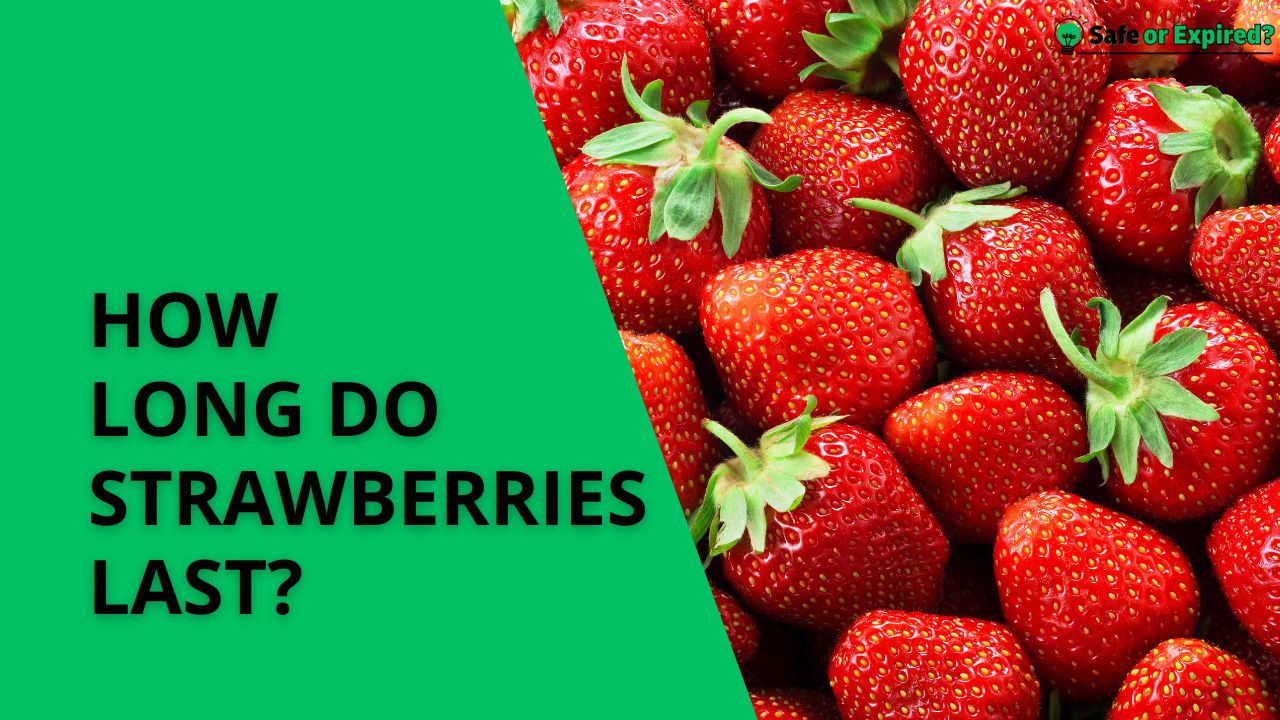
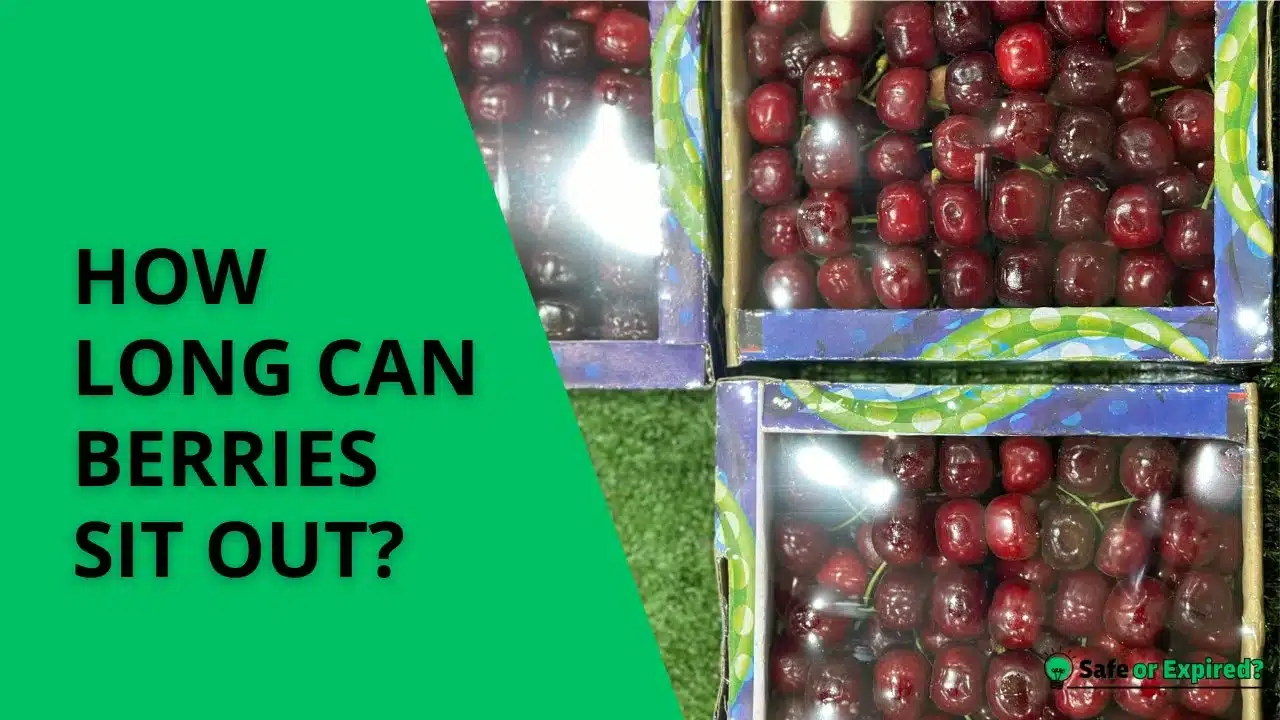
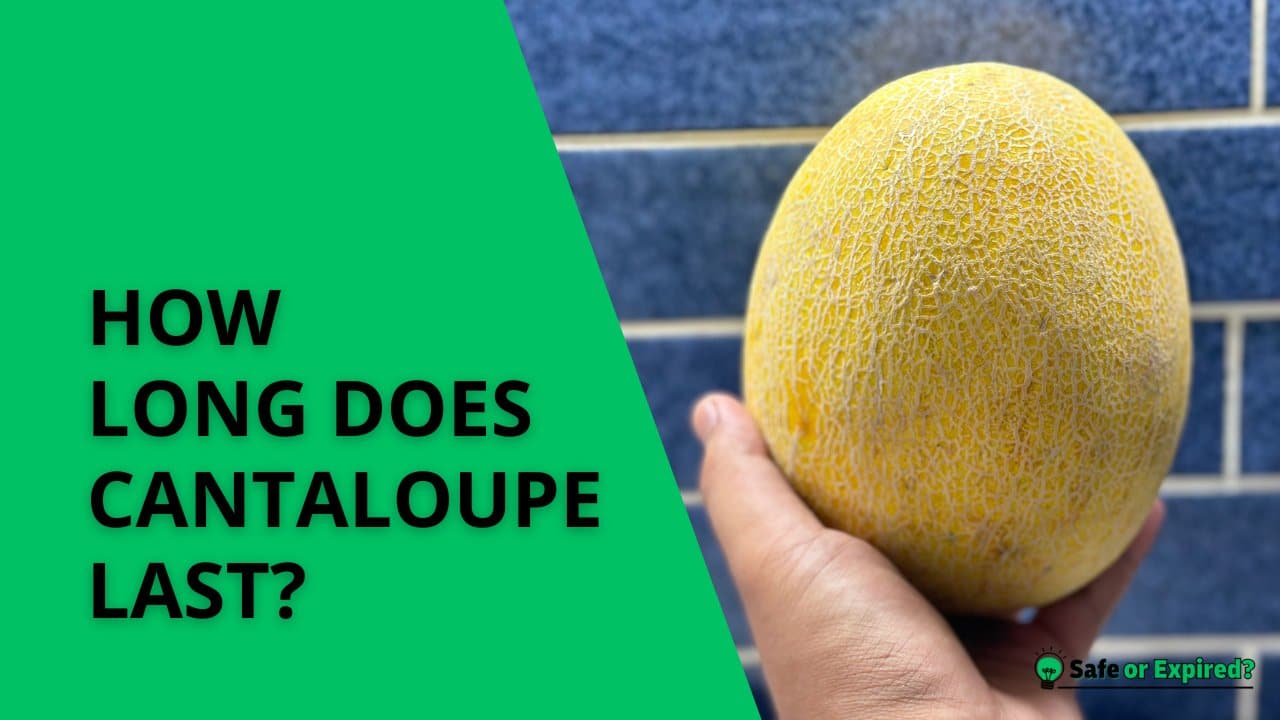
From berries and strawberries to dates, clementines, coconuts, and cantaloupe, some fruits are highly perishable while others last much longer when kept in the right conditions. Moisture, bruising, airflow, temperature, and whether the fruit is whole or cut all affect shelf life.
This page brings together practical guides on fruit shelf life, storage, expiration, and spoilage signs. You will find clear answers on how long different fruits last, whether they should stay on the counter or in the fridge, how to spot spoilage, and when it is better to throw fruit out.
Whether you are checking fresh berries in the fridge or wondering how long a whole coconut will keep, these guides will help you make a better call.
Popular Fruit Guides
Not all fruits spoil the same way. Some become soft, shriveled, or moldy very quickly, while others mainly lose moisture, flavor, or texture before becoming obviously bad. That is why it is important to check both the fruit’s condition and how it has been stored, not just how long it has been sitting around.
Fresh fruit does not come with a strict expiration date in the way packaged foods do, but it does have a limited shelf life and can spoil quickly depending on the variety and storage conditions.
Some fruit lasts better at room temperature until ripe, while other fruit should be refrigerated to slow spoilage. Cut fruit should usually be refrigerated.
Sometimes. Softness alone does not always mean fruit is unsafe, but mold, foul smell, leakage, fermentation, or sliminess are stronger warning signs.
Look for mold, leaking juice, sour or fermented smell, excessive softness, shriveling, discoloration, or slime.
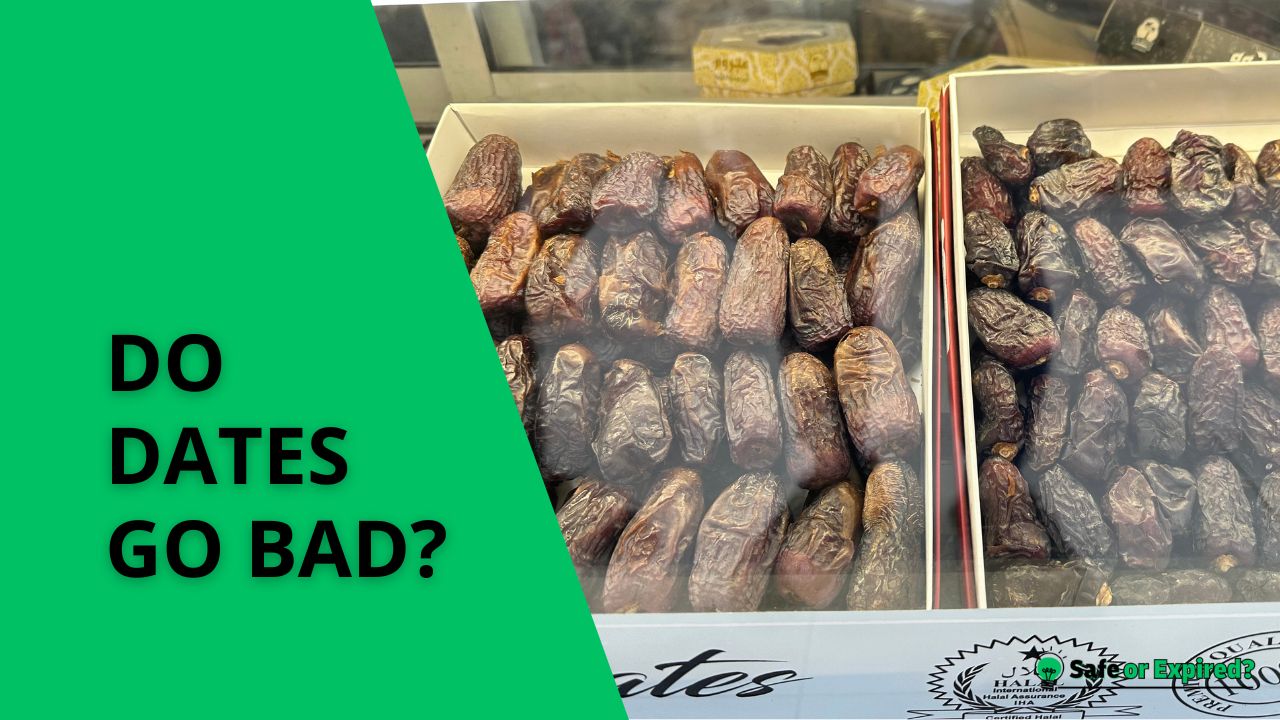
Lower-moisture fruits or fruits with tougher outer layers usually last longer than delicate berries or cut fruit. Your existing dates and coconut content already reflects that difference.
If you are unsure whether fruit is still good, start with the specific guides linked on this page. Each article explains shelf life, storage, spoilage signs, and when it is safer to toss it.