
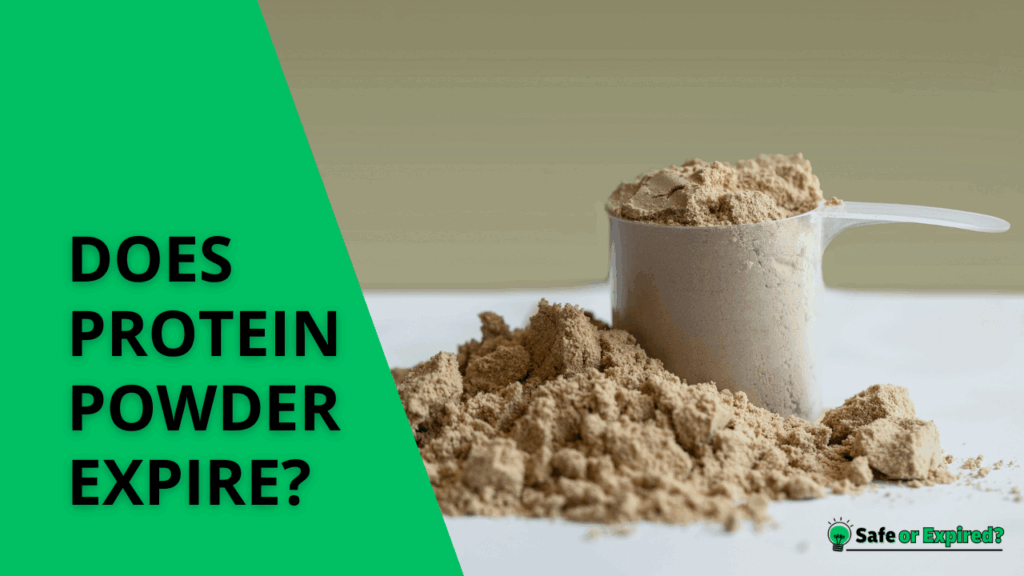
Protein powder is a go-to for fitness enthusiasts and anyone looking to add an easy protein boost to their diet.
But if you’ve found an old tub hiding in the pantry, you may wonder, “Does protein powder expire?”
This guide explores protein powder shelf life, storage tips, and how to spot when it’s time to let go.
Let’s dive into the facts and find out how to keep your protein powder fresh and effective!
Does Protein Powder Expire?
Yes, protein powder does expire, but it can last 6-12 months past its expiration date if stored properly. To check freshness, look for spoilage signs like clumping, sour smell, or discoloration. Store it in a cool, dry place for maximum shelf life.
How Long Is Protein Powder Good After the Expiration Date?
Ah, the expiration date—the label that haunts every protein powder container. The truth is, just like a banana with a few spots, protein powder can often go beyond its expiration date if stored properly.
Many protein powders are still safe to consume up to 6-12 months after the “best by” date, but this depends on a few factors. Learn the difference between Best-By and Expiration Dates.
Protein Type Matters
Different protein powders have different shelf lives. Whey and casein protein powders, derived from milk, contain fats that can eventually go rancid, especially if not stored correctly.
Plant-based powders, like pea or soy protein, often contain natural oils that can also spoil over time.
Fun fact: protein powders with added fats tend to have a shorter shelf life due to potential fat oxidation, so the type of protein you have plays a big role in how long it lasts.
Storage Conditions Are Key
Temperature and humidity are big factors in protein powder longevity.
According to food scientists, moisture exposure is protein powder’s worst enemy—it can lead to clumping, spoilage, or even mold.
Keeping your powder in a cool, dry place is essential to making it last. If it’s stored in a humid environment, like a bathroom or a kitchen cupboard near the stove, it’s more likely to spoil faster.
Think of your protein powder as a houseplant: keep it away from damp, warm places if you want it to thrive!
Preservatives and Packaging
Some protein powders contain preservatives or are sealed in airtight containers to extend their shelf life.
This extra protection can keep them safe past the expiration date, but not indefinitely. Studies suggest that even with good packaging, exposure to air and light over time can degrade quality.
That’s why it’s best to keep an eye on its smell, color, and texture—signs it might be past its prime. So, while that old tub of protein powder probably isn’t a health hazard, its quality may not be what it used to be.
When in doubt, check for spoilage signs before adding a scoop to your morning smoothie!
How to Tell if Protein Powder Has Gone Bad?
Wondering if your protein powder has taken a turn for the worse? There are a few clear signs that it’s time to say goodbye to that scooper:
1. Smell Test
One of the most obvious indicators of spoiled protein powder is a change in smell. Fresh protein powder usually has a mild, neutral scent or a pleasant aroma based on its flavor.
If it suddenly smells sour, metallic, or just plain funky, it’s likely gone bad. This sour smell is often due to the oxidation of fats in the powder, which can happen as it ages, particularly with whey or plant-based powders.
2. Texture Changes
A change in texture is another big red flag. If you notice clumping or a sandy feel that wasn’t there before, moisture might have crept in.
Protein powders are hygroscopic, meaning they easily absorb moisture from the air. So, if your powder has turned into a clumpy mess, it’s best to avoid it.
Pro tip: When scooping, use a dry spoon to keep moisture from sneaking into the container.
3. Color Alterations
Protein powders are typically light-colored or match the flavor (like a chocolate or vanilla shade). If you see dark spots, discoloration, or any unusual changes, it’s a good idea to toss it.
This can indicate mold growth or degradation, especially if the powder has been exposed to air or light.
While rare, certain ingredients can oxidize and darken over time, signaling it’s no longer fresh.
4. Rancid or Off Taste
For the brave souls willing to try a taste test, a spoiled protein powder usually has an off or bitter taste. Fresh powder should blend smoothly into your drink without any harsh, metallic notes.
According to food scientists, fat oxidation in proteins like whey can lead to rancid flavors that taste unpleasant and, in some cases, may cause mild digestive discomfort.
Consuming expired protein powder won’t necessarily land you in the emergency room, but it may lead to some stomach upset or, at the very least, a disappointing shake.
So if your protein powder’s smell, look, or taste is even remotely questionable, it’s time to let it go!
How To Properly Store Protein Powder to Extend Shelf Life?
Storing protein powder properly can mean the difference between a fresh, tasty shake and a clumpy, stale mess. Here’s how to keep your protein powder in peak condition:
1. Keep It Cool and Dry
Just like a vacation home, your protein powder loves cool, dry places. Heat and humidity speed up spoilage, especially with protein powders containing fats or plant-based oils. Aim to store it in a pantry or cupboard away from the stove, windows, and bathroom.
According to the USDA, temperature fluctuations cause ingredients to degrade faster, so a stable, cool environment is essential. Check out How 7 Food Authorities Protect the foods we eat.
2. Seal It Tight
Every time protein powder is exposed to air, oxidation occurs, which can compromise its flavor and nutritional quality over time.
Make sure to tightly seal the container after each use, and if the original packaging isn’t sturdy, consider transferring the powder into an airtight glass jar.
Studies show that storing powders in airtight containers can extend freshness by preventing moisture from creeping in.
3 Avoid the Fridge
While it might seem like the fridge would keep protein powder fresh, refrigeration can actually introduce unwanted moisture each time you take it out.
The condensation that forms can lead to clumping and, over time, affect the powder’s texture and taste.
Keeping it at room temperature in a cool, dry place is generally the best option.
4. Use Desiccant Packets
Many protein powders come with small desiccant packets to absorb moisture—don’t throw these out! They help keep the powder dry and free from clumping.
If you’ve tossed it or your powder didn’t come with one, you can add a new desiccant packet (safely wrapped) to the container.
Quick Tip: If you live in a humid climate, extra precautions are worth it. Some fitness enthusiasts even store their protein powder with a dry rice bag nearby to help absorb excess humidity.
This trick, combined with an airtight seal, can keep your protein powder fresher for longer.

Does Expired Protein Powder Lose Its Nutritional Value?
If you’re counting every gram of protein, knowing whether your expired powder still packs a punch is crucial. Here’s how protein powder’s nutritional quality can change over time:
Protein Quality and Amino Acids
Protein itself is relatively stable, so an expired powder likely still contains most of its original protein content.
However, amino acids (the building blocks of protein) can degrade slowly, particularly if the powder has been exposed to air and light.
While the overall protein count might not drop significantly, the effectiveness of some amino acids can diminish over time, affecting how well your body can use the protein.
Vitamins and Minerals
Many protein powders contain added vitamins and minerals, especially those marketed as meal replacements.
Vitamins like vitamin C and B vitamins are particularly sensitive to light and air exposure, meaning that expired powder may have lower levels of these nutrients.
According to food scientists, vitamins can degrade by up to 50% over a few months past the expiration date, while minerals are more stable and tend to last longer.
Changes in Flavor and Texture
One of the first things to go in expired protein powder is flavor. Vanilla might taste less like “vanilla bean bliss” and more like “bland bean” after sitting around too long.
Similarly, the texture may suffer, leading to a less smooth mix when you blend or shake it. While these changes don’t directly affect the protein’s nutritional value, they can make your shake less enjoyable.
Oxidation of Fats in Protein Powder
Fats in protein powders, especially those in whey and plant-based options, are vulnerable to oxidation, which causes rancidity.
When fats oxidize, they lose their nutritional value and create free radicals, which aren’t great for your health. This breakdown of fats doesn’t affect the protein content itself, but it can impact the overall quality of the powder.
In short, while your expired protein powder might still provide a decent protein boost, its nutritional profile might not be as potent.
You may still get the muscle-building benefits, but your taste buds and nutrient intake might take a hit.
When quality matters, it’s best to keep your protein powder fresh and stick to the expiration date as a guideline.
Can You Freeze Protein Powder to Keep It Fresh Longer?
If you’re thinking about freezing protein powder to make it last longer, the short answer is: you can, but it’s not always ideal. Here’s what you should know before putting that tub in the deep freeze.
Freezing and Moisture Control
The biggest challenge with freezing protein powder is moisture. Protein powder is hygroscopic, meaning it absorbs water easily. When you freeze and then thaw protein powder, condensation can form, leading to clumping and potentially reducing quality.
If you decide to freeze it, use an airtight, moisture-proof container, and make sure the powder is completely dry before freezing.
Storage Duration
Freezing doesn’t necessarily extend the shelf life of protein powder indefinitely, but it can help if you’re in a hot, humid climate.
For best results, freeze only for short-term storage—no more than a few months—and label the container with the date.
While freezing slows down degradation, it doesn’t entirely stop it, especially for added vitamins and minerals that might still degrade over time.
How to Thaw and Use Frozen Protein Powder
When you’re ready to use frozen protein powder, allow it to come to room temperature first. This reduces the risk of clumping from moisture condensation.
Some people even store protein powder in individual portions or smaller containers before freezing, so they only thaw what they need for a single shake.
Impact on Flavor and Texture
Freezing can slightly alter the flavor and mixability of protein powder, particularly in powders that contain fat (like whey or plant-based proteins).
While freezing doesn’t typically harm the protein itself, the flavoring agents and sweeteners might taste a bit off.
Also, because freezing can affect the powder’s smoothness, you might notice a bit of graininess when mixing.
Freezing protein powder can be helpful for short-term storage but may impact taste and texture. For optimal results, store protein powder in a cool, dry pantry and turn to the freezer only as a backup plan.
After all, your protein shake deserves to be as fresh and delicious as your post-workout glow!
Quick Tip: If you have a large supply of protein powder and want to freeze it, consider freezing small portions instead of the entire container.
This way, you avoid repeated thawing and freezing, which can lead to moisture problems. It also helps you use up smaller amounts without sacrificing the rest of the batch.
FAQ
1. Can I Use Protein Powder Past Its Expiration Date?
Yes, protein powder can often be used past its expiration date if stored in a cool, dry place. Many types remain safe for 6-12 months beyond the printed date, though it’s essential to check for signs of spoilage, like clumping or an off smell.
2. How Long Does Protein Powder Last Once Opened?
Once opened, protein powder generally lasts around 6-9 months if kept in ideal conditions. Airtight storage in a dry environment helps maintain freshness and quality for as long as possible.
3. Does Protein Powder Lose Its Nutritional Value Over Time?
Protein content remains relatively stable, but other nutrients, like vitamins and flavorings, can degrade. Over time, expired protein powder may lose some potency, especially if exposed to light, air, or moisture.
4. Is It Safe to Store Protein Powder in the Fridge?
Storing protein powder in the fridge is not recommended, as moisture can accumulate and cause clumping. It’s best to keep it in a cool, dry cupboard or pantry instead.
5. How Can I Tell If Protein Powder Has Gone Bad?
Spoiled protein powder may show signs like a sour smell, discolored powder, clumping, or a rancid taste. If you notice any of these, it’s best to toss it out and replace it.
6. Can I Freeze Protein Powder to Extend Its Shelf Life?
Freezing protein powder is possible, but it can lead to moisture issues. If you do freeze it, store it in an airtight container and thaw at room temperature before use to prevent clumping.
Conclusion
While protein powder doesn’t last forever, proper storage can keep it fresh and effective well beyond the printed expiration date. By checking for signs of spoilage and storing it in a cool, dry place, you’ll ensure each scoop is safe, nutritious, and satisfying.
- Protein powder can last 6-12 months past its expiration date if stored properly.
- Signs of spoilage include sour smell, clumping, and discoloration.
- Store in a cool, dry place for optimal freshness; freezing is a last resort.
- Expired powder may still contain protein, but other nutrients may degrade.
By storing your protein powder with care, you can enjoy it safely and get the most out of every scoop. A little attention to storage can go a long way, ensuring your protein powder is as effective as the day you bought it. Here’s to fresh shakes and gains that never expire!
