
Ever found a forgotten bag of M&M’s and wondered, “Do M&Ms expire?”
You’re not alone! Like all good things, they come with a ‘best by’ date.
But can eating expired M&M’s make you sick and how can you tell they are spoiled?
Here, you will get answers to all of your questions about M&M’s expiration.
Do M&MS Expire? What You Need to Know
Yes, M&M’s do expire. Like most confectionery products, M&M’s come with a “best before” date, which indicates how long they’re expected to retain their best quality. But note that the expiration deadline varies, depending on whether you have opened the packet or not.
Wondering how long do M&Ms last unopened and opened?
Unopened vs. Opened: The Longevity of M&M’s
Generally, unopened M&M’s can last well past their “best by” date, often remaining fresh for about a year or even longer if stored properly. Keeping them in a dry place helps preserve their vibrant colors and delightful crunch.
| M&M Variety / Feature | Shelf Life Consideration |
|---|---|
| Plain / Milk Chocolate | Ages well; long-lasting if stored properly. |
| Peanut / Almond | Contains oils that can go rancid over time. |
| Crispy | Airy centers degrade faster with moisture. |
| Caramel / Mocha / Specialty | Higher moisture content; spoils more quickly. |
| Color Dyes | Color may fade but doesn’t affect safety. |
| Nutritional Quality (Dark Chocolate) | Antioxidants and fats degrade subtly over time. |
Once opened, M&M’s start their countdown. Wondering How long do M&Ms last opened? Well, exposure to air can introduce moisture and other environmental factors that can affect the texture and taste of the candy. But don’t worry, opened M&M’s can still keep their charm for a few weeks to a month when stored correctly.
The best practice is to transfer them to an airtight container or a resealable bag. This way, you can minimize their exposure to air and moisture, keeping them just as irresistible as when you first opened them. And if you want to understand Does Chocolate Expire then read the article here.
In both scenarios, it’s all about the storage. While M&M’s are pretty resilient thanks to their candy shell, keeping them away from heat sources is crucial. Heat can cause the chocolate inside to melt, leading to a clumpy, less enjoyable experience.
Still confused? Then, check out this table about how long do m&ms expire:
| Storage Condition | Counter (Cool, Dry Place) | Fridge |
| Opened | 2-4 weeks | 1-2 months |
| Un-Opened | 10-12 months | 12-18 months |
Note that the details are the same for the Peanut M&Ms expiration date.
While M&M’s have a considerable shelf life when stored properly, you might wonder about other treats in your pantry, like Jello. Interestingly, Jello’s shelf life brings up a similar curiosity.
Does it last forever, or does it expire like most food items? For those who love this wiggly and sweet dessert, understanding its shelf life is crucial. Discover the answer in our detailed guide, Does Jello Expire or Does It Stay Good Forever?
Now, let’s discuss more about M&Ms.
Can Expired M&M’s Make You Sick? Debunking Myths
Eating M&M’s past their “best by” date is unlikely to make you sick. While the quality, such as taste and texture, may decline, the risk of foodborne illness is low due to their low moisture and high sugar content. However, always check for signs of spoilage, like clumping, before consuming.
Nevertheless, any food product, including M&M’s, can become unsafe if it shows signs of spoilage, such as unusual odor. If the candies have been stored improperly in conditions that promote bacterial growth, like excessive moisture or heat, it may also harm you. People often ask, “Can M&Ms mold?” Yes, and it’s wise to be cautious if you see it.
Also, prolonged exposure to air or fluctuating temps may allow oxidation of fats, especially in varieties containing nuts (peanut M&Ms), which can lead to rancid flavors. That’s not exactly food poisoning, but it’s unpleasant.
If your M&M’s have been stored improperly (e.g., in a damp garage or near a wet sink) and show multiple signs of spoilage, it’s safest to toss them.
If your M&M’s have been exposed to moisture and display any mold signs, discarding them is the safest option. Always inspect long-stored candies to ensure they’re still fit for consumption.

How to Tell If M&Ms Have Gone Bad? Reading the Signs
To tell if M&M’s has gone bad, you should first smell them. If you smell any unusual odor, it means they have gone bad. If you also see discoloration or mold, it means you should discard them. Furthermore, packaging integrity and clumping are also other signs that the M&M’s are spoiled.
Unusual Odor
One of the first signs that your M&M’s might have gone bad is an off-smell. While M&M’s generally don’t have a strong odor, any unusual smells can indicate that they’ve absorbed odors from their environment or, in rare cases, have begun to spoil.
Discoloration or Bloom
If you notice the colors of your M&M’s looking faded or if there’s a white, powdery substance on the shell, this could be a sign of “bloom.” Bloom occurs when the fats or sugars in the chocolate separate due to temperature changes. While bloom doesn’t necessarily mean the M&M’s are unsafe to eat, it can affect texture and taste.
Texture Changes
M&M’s should have a crisp shell and a somewhat soft interior. If the shell is sticky or slimy, or the chocolate inside feels gritty or too hard, this could indicate that they’ve been exposed to moisture or have otherwise degraded.
Clumping Together
Properly stored M&M’s should flow freely from their bag. If you find that they’re clumped together, this is a sign they’ve been exposed to moisture. Clumping can make it difficult to tell if any individual candies have other signs of spoilage.
It’s worth noting that other candies face similar challenges. Starburst, with its chewy texture and fruity flavors, is another treat that might leave you questioning its durability over time. How does its shelf life compare, and what are the best ways to ensure it remains enjoyable? Unwrap the details in our article “Do Starburst Expire? (Unwrapping the Truth About Shelf Life)”.
Packaging Issue/Pests
Lastly, check the packaging. If the bag is torn or damaged, especially if there are holes, it could have allowed pests or contaminants inside. Compromised packaging can lead to spoilage or contamination, making the M&M’s unsafe to eat.
Furthermore, the expiration date on it is like a deadline. The candies will retain the original taste until this date. Therefore, always check the M&M’s package and the expiration date before you make a purchase.
Read this article here on Common Signs of Spoilage.
New tip: For multi-layer packs (e.g. “family size”), inspect inner wrapper too—damage there accelerates spoilage even if outer pack seems fine.
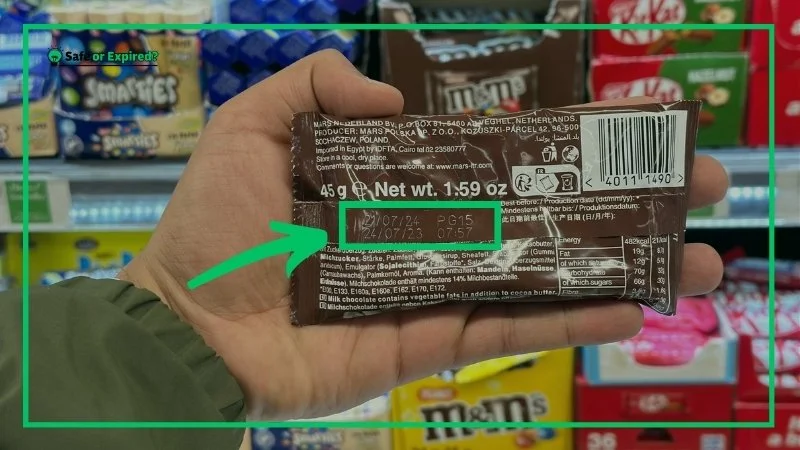
While M&M’s are unlikely to spoil in a way that makes them harmful, these signs can indicate that they’re not at their peak quality. When in doubt, trust your senses; if something seems off, it’s best to discard them.
How to Store M&M’s Properly To Increase The Shelf Life?
Keep Them Cool & Dry
Ideal storage: 50–70 °F (10–21 °C), away from sunlight and heat sources. High temps melt chocolate inside the shell. Humidity over 50% can also cause shells to soften or sugar to dissolve.
Use Airtight Containers or Bags
Once opened, move M&M’s into airtight jars or sealed bags with excess air removed. This protects from moisture, odors, and insects.
Refrigeration (When Necessary)
In hot or humid climates, refrigerate them. But do this carefully:
- Seal them well (double bag or vacuum seal).
- Place them in the fridge’s interior (cooler, more constant temperature).
- When ready to eat, bring them to room temp within the sealed bag to avoid moisture condensation on the shells.
- Read Food Storage and Preservation Techniques for more insights.
Avoid Freezing
Freezing is discouraged. While it won’t necessarily spoil them, thawing can cause sugar bloom, shell cracking, and a loss of crispness.
Reduce Odor Exposure
Chocolate absorbs smells. Don’t keep them near strong-smelling foods (garlic, onions, etc.). Storing them in a sealed box within your pantry helps.
People often ask, “How long do M&Ms last after expiration date if stored properly?” M&M’s can last beyond their expiration date, typically remaining safe to consume for several months if stored properly (often up to 6-12 months).
Suggestion: Use silica gel packets or food-safe desiccants in your storage container to reduce humidity inside the container. This is especially handy in humid climates.
Conclusion
M&M’s do expire, but they’re surprisingly forgiving. Here’s the updated summary:
- Unopened M&M’s can last 10–24 months, depending on storage.
- Opened M&M’s are best consumed in 2–4 weeks, sometimes up to a month.
- Expired M&M’s rarely make you sick if no spoilage signs exist.
- Storage matters: cool, dry, airtight, avoid heat and scent exposure.
- Use desiccants and inspect inner packaging for better longevity.
- Variants with nuts or special flavors degrade faster.
- Nutritional freshness and flavor quality diminish over time.
Next time you find that forgotten bag in your snack drawer, you’ll know what to look for—and whether it’s still safe (and tasty) to eat.
